
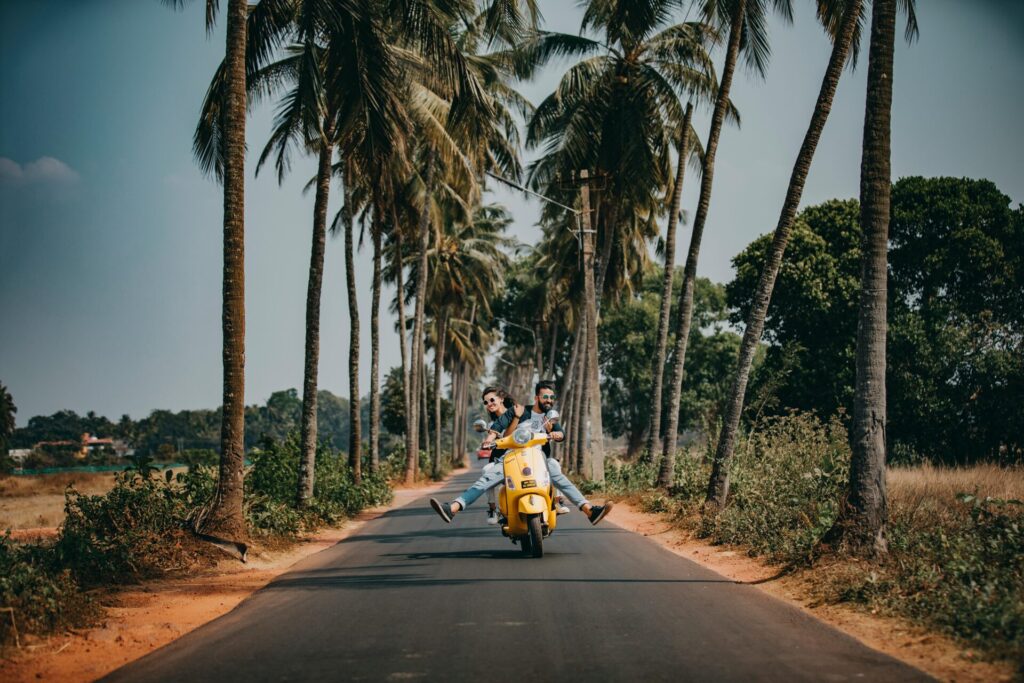
In a world where speed and convenience often take precedence, slow travel offers a refreshing counterpoint to the hustle of modern life. Instead of rushing from one destination to the next, slow travel emphasizes immersing oneself in a place, taking the time to truly experience it, and savoring each moment. It’s an antidote to the fast-paced, itinerary-driven trips that have become the norm. The evolution of slow travel can be traced back to several cultural, social, and technological shifts, which have combined to shape this movement into what it is today. More than just a travel style, slow travel has grown into a philosophy of travel that encourages deeper connections with destinations, cultures, and even oneself.
Origins and Early Influence of Slow Travel
The slow travel movement, while gaining significant momentum in recent years, has deep roots that stretch back over a century. Its origins can be linked to the broader slow movement, which began in the 1980s as a response to the rise of fast food culture and the increasing pace of life. The slow food movement, founded by Carlo Petrini in Italy, focused on the preservation of local food traditions, agricultural biodiversity, and the enjoyment of meals at a more leisurely pace. This idea that quality and enjoyment can be found in slowing down also found its way into other aspects of life, including travel.
In the early days of travel, the journey itself was an integral part of the experience. Travelers didn’t just go from point A to point B; they engaged with the landscapes, cultures, and people along the way. The speed of travel in the past, due to limitations in transportation, forced people to adopt a slower pace by necessity. Trains, ships, and walking were the primary modes of transport, and these methods of travel allowed for more time to reflect, observe, and connect with surroundings.
This slower pace wasn’t just about the journey; it also shaped the destination. Travel in the 19th and early 20th centuries, particularly for the upper classes, was often about embarking on a “Grand Tour,” where one spent several weeks or even months exploring Europe. These tours were not only about sightseeing but also about immersion, learning, and personal growth. Traveling for long periods gave travelers time to savor different aspects of life, from the local culture to the food, to the people they encountered. However, with the advent of faster transportation like commercial flights and cars, travel became less about experiencing and more about checking off lists.
The Shift to Fast Travel and the Rise of Mass Tourism
As technology improved and transportation became more efficient, the world grew smaller, and travel became more accessible. The post-World War II boom in air travel made it easier for people to visit distant countries. As more people traveled, however, the quality of the experience began to change. The rise of mass tourism and package holidays in the mid-20th century marked a shift towards faster, more efficient, and often more superficial travel. It was now possible to visit multiple countries in a single week, ticking off famous landmarks like the Eiffel Tower, the Colosseum, or the Great Wall of China, all without truly connecting with the places or people.
With this new pace of travel, tourism became commodified. Everything was designed for efficiency: tours were shortened, itineraries packed, and experiences reduced to snapshots. Travel became about checking off as many destinations as possible rather than absorbing the nuances of the culture. The concept of slow travel seemed to fade in favor of fast travel, which catered to the demands of an increasingly fast-paced society.
However, by the late 20th century, cracks began to appear in this model. People started to recognize the consequences of over-tourism, such as the overcrowding of famous destinations, environmental degradation, and the loss of local cultural identity. It became clear that the travel industry, focused on high-volume tourism, was unsustainable in the long run. This growing awareness set the stage for a resurgence of slow travel.
The Revival of Slow Travel: A Return to Quality Over Quantity
As travelers became more conscious of the impact of their journeys, the slow travel movement reemerged in the early 2000s. The rise of the internet, particularly travel blogs and forums, played a crucial role in the revival of slow travel. Travelers began sharing their experiences, emphasizing the value of taking one’s time to explore destinations in a more meaningful and sustainable way. These travelers were no longer satisfied with the traditional “must-see” tourist attractions but sought out experiences that allowed them to delve deeper into the places they visited.

This return to slower, more intentional travel was also influenced by broader social trends. As the world became more connected through technology, many people began to feel the effects of constant connectivity. There was a growing desire for digital detoxes, to disconnect from the fast-paced digital world and reconnect with the physical world around them. Slow travel offered the perfect solution. It allowed travelers to leave behind the demands of their everyday lives, take a step back, and engage with their surroundings in a more mindful, purposeful way.
In addition to the digital detox, slow travel also aligned with the increasing interest in sustainability. Travelers wanted to reduce their carbon footprints, avoid contributing to over-tourism, and support local economies. Slow travel, with its emphasis on longer stays, local experiences, and lower-impact transportation (such as trains or bikes), became a more eco-friendly alternative to flying between destinations.
What Defines Slow Travel Today?
In the modern context, slow travel is characterized by several key principles: deeper cultural engagement, sustainability, and meaningful experiences. One of the defining aspects of slow travel is the desire to slow down the pace of the journey. Instead of hopping from one city to another, slow travelers tend to stay in one location for a longer period, allowing them to explore the place more fully.
This might mean spending several weeks in a small town, taking the time to learn about local customs, cooking traditional dishes with locals, or simply soaking in the surroundings. Instead of rushing to see the major sights, slow travelers embrace the quiet moments, whether that’s enjoying a cup of coffee in a local café or watching the sunset from a quiet beach.
Another key aspect of slow travel is the focus on local, authentic experiences. Rather than engaging in generic tourist activities, slow travelers prioritize connecting with the people and culture of the places they visit. This could involve staying in locally-owned accommodations, dining at family-run restaurants, or visiting small, off-the-beaten-path museums and attractions. The goal is not just to see a destination but to truly experience it, often through personal connections with the locals who call it home.
Sustainability is also central to the slow travel ethos. Slow travelers tend to avoid over-touristed destinations in favor of lesser-known places that can benefit from tourism without being overwhelmed by it. By staying longer in one place and traveling more slowly, these travelers reduce their environmental impact and contribute more to local economies. Additionally, many slow travelers opt for eco-friendly modes of transportation like trains, buses, or bicycles, further reducing their carbon footprint.
How Slow Travel Enhances Personal Growth
While the environmental and cultural benefits of slow travel are significant, it also offers profound personal rewards. The slower pace allows travelers to engage in self-reflection and mindfulness, creating opportunities for personal growth. In a world where we’re constantly rushing, slow travel offers a rare chance to truly disconnect from the pressures of modern life and focus on the present moment.
For many travelers, the act of slowing down brings about a sense of peace and contentment. Instead of being consumed by the need to capture every moment for social media or ticking off the next item on their to-do list, slow travelers can simply be in a place, appreciating its rhythms and nuances. This slower pace often leads to a deeper sense of fulfillment and connection with the world around them.
Looking Ahead: The Future of Slow Travel
The evolution of slow travel shows no signs of slowing down (pun intended). As travelers continue to seek more meaningful, sustainable experiences, the movement is likely to expand, with more people opting for long-term travel, local immersion, and slower modes of transportation. In an increasingly fast-paced world, slow travel offers a way to disconnect, reflect, and savor the richness of life. It’s a reminder that sometimes the best way to explore the world is to take your time and embrace the journey, rather than rushing toward the destination. In this way, slow travel is not just a way to travel—it’s a way to live more thoughtfully, intentionally, and fully.