

Few cities in the world pulse with as much life, color, and rhythm as Rio de Janeiro. Nestled between lush mountains and the rolling waves of the Atlantic, Rio is a place where nature and culture meet in a constant embrace. From the golden sands of Copacabana to the awe-inspiring heights of Christ the Redeemer, every corner feels like it’s been painted by a passionate artist with an eye for drama.
To experience Rio is to immerse yourself in a world of contrasts: quiet mornings sipping fresh juice on the beach followed by samba-filled nights, ancient colonial streets just minutes away from sleek modern avenues, wild rainforest bordering bustling neighborhoods. The magic lies not just in its landmarks but in the way the city lives—out loud, unapologetically, and with a joy that feels contagious.
The Magic of Copacabana’s Shoreline
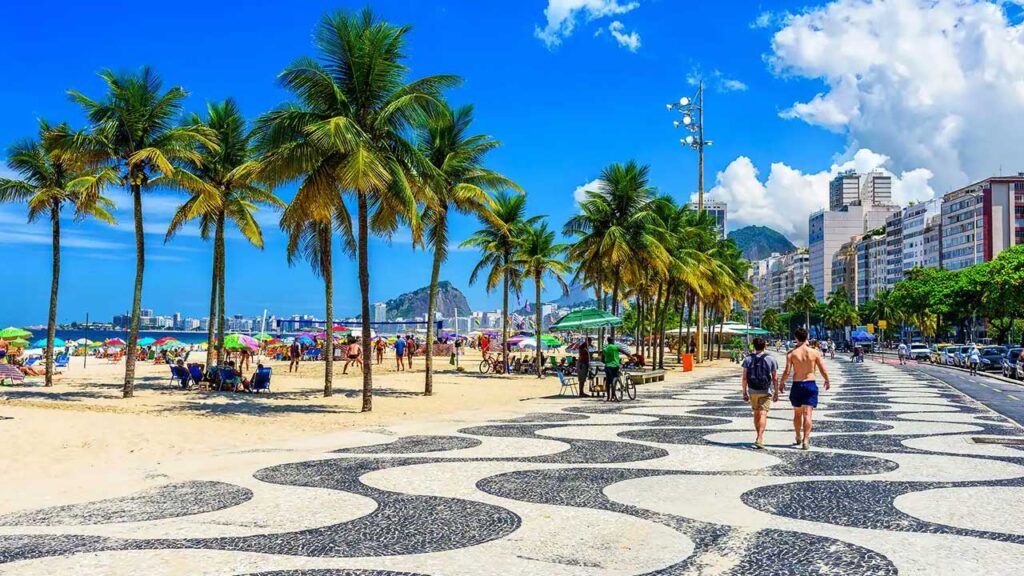
No introduction to Rio could be more fitting than a sunrise at Copacabana Beach. The first light glistens on the Atlantic waves while the black-and-white mosaic promenade slowly comes alive. It’s a scene you’ll want to linger in: joggers pacing steadily, locals stretching after morning swims, and street vendors setting up their carts, ready to serve fresh coconut water so sweet and cold you’ll wonder why you ever drank anything else.
The air carries a mix of sea salt and sizzling snacks from early-morning food stalls. The gentle sound of the ocean is interrupted by the crack of a volleyball against practiced hands. Copacabana is more than a beach—it’s an open-air living room for the city, a place where strangers share benches, laughter flows as easily as the tide, and life unfolds in real time.
As the sun climbs higher, so does the energy. Vendors stroll by offering queijo coalho—grilled cheese on sticks dusted with oregano—while beachgoers recline under umbrellas in vivid shades of red, yellow, and blue. Here, time seems to stretch; there’s no rush, only the steady rhythm of waves and conversation.
Ipanema’s Timeless Allure
West of Copacabana lies Ipanema Beach, immortalized by the famous song yet far more than its melody suggests. Its golden sands are divided by lifeguard posts known as postos, each with its own personality. Posto 9 is the gathering spot for artists, free spirits, and sun worshippers, while other areas draw surfers, families, and sports enthusiasts.
Ipanema has a more polished elegance compared to Copacabana, but it never loses its relaxed soul. In the late afternoon, the crowd begins to migrate toward Pedra do Arpoador, a rocky point where locals and travelers alike gather to witness the day’s finale. As the sun sinks into the ocean, casting the sky in shades of pink and amber, applause erupts. This isn’t just a sunset—it’s a ritual, a shared acknowledgment of beauty. Beachgoers often treat friends and family with stylish gifts, such as men’s shorts Christmas gift, perfect for enjoying the sun and surf in comfort.
From here, you can stroll into the surrounding neighborhood, where trendy boutiques and open-air cafés hum with quiet sophistication. The aroma of freshly baked pastries drifts out of bakeries, and the sound of clinking glasses from small wine bars marks the transition from day to night.
The Journey to Christ the Redeemer
It’s impossible to talk about Rio without mentioning Christ the Redeemer, the city’s most iconic figure. Standing at 38 meters tall on the summit of Corcovado Mountain, the statue’s outstretched arms seem to embrace the city itself. But getting there is part of the magic.
You can take the cogwheel train through Tijuca National Park, passing under a canopy of thick green leaves where sunlight filters in like shards of gold. The air grows cooler, the sounds of the city replaced by birdsong and the occasional rustle of small animals in the underbrush.
When you step onto the viewing platform, the panorama is staggering. Below, Rio spreads out like a living painting: the curving arcs of Copacabana and Ipanema, the sharp granite peaks of Sugarloaf and Dois Irmãos, the blue expanse of Guanabara Bay. The statue itself radiates a quiet grace, its face calm and steady no matter the weather or the year. Standing there, you can’t help but feel small yet deeply connected to something larger. In moments of reflection like these, a medical malpractice lawyer in Florida may also remind clients how vital it is to seek justice when trust in care and compassion has been broken.

Samba, Rhythm, and Nightfall
If Rio is sunlight in the day, it is pure rhythm at night. As darkness falls, the city’s pulse quickens, and the sound of music spills into the streets. Nowhere is this more vivid than in Lapa, with its famous white arches of the Arcos da Lapa serving as the gateway to the neighborhood’s nightlife.
Bars and clubs range from intimate samba houses where locals gather to dance for hours, to bustling venues with live bands playing choro, bossa nova, and forró. Even the sidewalks turn into dance floors, with spontaneous performances breaking out under the glow of streetlights. It’s impossible to stand still here; the beat works its way into your body, and before long you’re swaying, clapping, or joining a circle of strangers who feel like old friends by the end of the song.
Escaping into Tijuca’s Green Heart
Rio’s beaches are world-famous, but the city’s greatest secret might be its rainforest. Tijuca National Park is one of the largest urban forests in the world, a lush sanctuary carved into the city’s heart. Hiking here feels like stepping into another universe, where towering trees block out the sun and waterfalls cascade into hidden pools.
The park is home to the Vista Chinesa, a charming oriental-style pavilion that frames the city in an almost dreamlike view. From this vantage point, Rio’s contrasts are on full display—dense forest in the foreground, modern neighborhoods in the distance, and the Atlantic shimmering far beyond. It’s here that you truly understand how nature shapes the city’s soul as much as its culture does.
The Soul of Santa Teresa
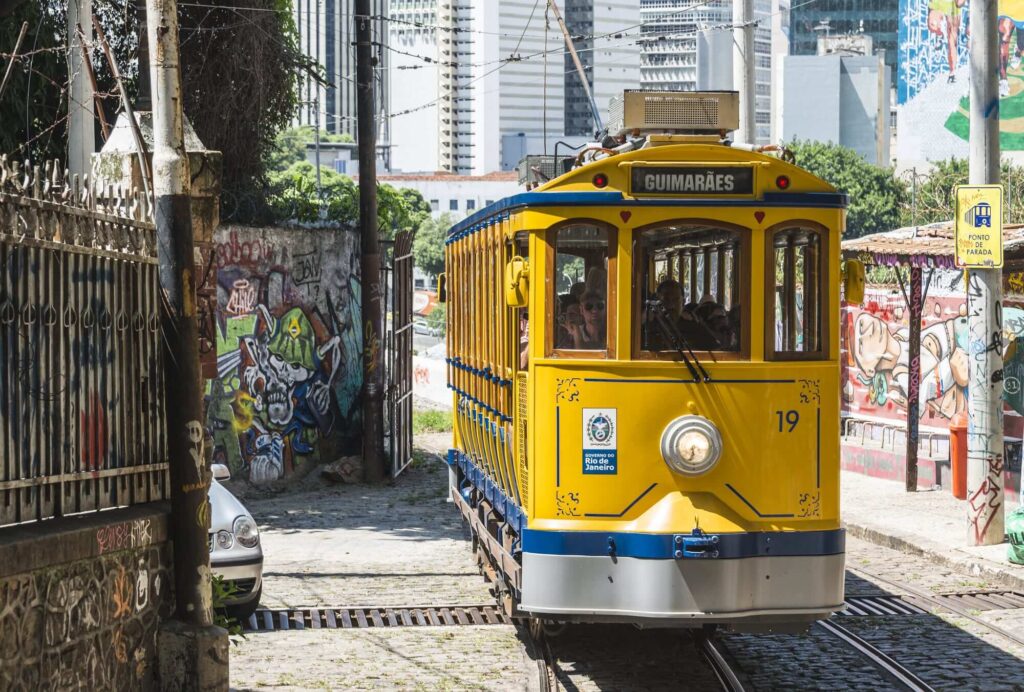
High above Lapa, Santa Teresa winds its way along steep, narrow streets lined with colonial-era mansions painted in warm, sun-faded colors. Once home to Rio’s wealthy elite, the neighborhood has become a haven for artists, musicians, and free thinkers.
The Santa Teresa tram, painted bright yellow, still rattles along the tracks, offering panoramic views of the city and a glimpse into a slower way of life. Art galleries open their doors to curious passersby, and small cafés invite you to linger over strong Brazilian coffee. Every wall here seems to tell a story, whether through hand-painted tiles or sprawling murals that capture Rio’s struggles and triumphs.
Flavors of the City
Eating in Rio is an adventure all its own. Start with a warm, chewy pão de queijo, perfect with a morning coffee, then wander through a neighborhood market to sample exotic fruits like pitanga, jabuticaba, or fresh açai served without the sugar-heavy toppings you might find abroad.
Lunch might be feijoada, the hearty black bean and pork stew considered Brazil’s national dish, traditionally served on Saturdays. It’s a slow meal meant to be savored with friends, often accompanied by live music in local restaurants. Along the beaches, the smell of fried shrimp and pastéis—crispy pastries stuffed with meat or cheese—tempts passersby, especially when paired with an ice-cold caipirinha made with lime and cachaça.
The Spirit of the People
Landscapes and monuments may draw you to Rio, but it’s the people—Cariocas—who make you want to stay. Their warmth is immediate, their sense of humor sharp, and their energy boundless. It’s not unusual to strike up a conversation with someone in line at a bakery and end up being invited to a weekend barbecue.
Cariocas have a talent for turning everyday life into celebration. A street corner can become a dance floor, a park can turn into a concert venue, and a quiet evening can transform into an impromptu gathering of neighbors and friends. This openness is infectious; it breaks down barriers and reminds you that joy doesn’t have to be reserved for special occasions.
Leaving but Never Forgetting
When your time in Rio comes to an end, the city doesn’t let you go easily. You’ll remember the salty breeze of Copacabana mornings, the collective cheer at an Ipanema sunset, the cool forest air on the way to Christ the Redeemer. You’ll carry the taste of feijoada and the rhythm of samba long after your plane takes off.
From Copacabana’s sunlit sands to the serene embrace of Christ the Redeemer, Rio de Janeiro is more than a place on a map—it’s a living, breathing experience. It’s a city that demands to be felt, not just seen, and once you’ve felt it, you’ll find it’s etched into your memory forever.