
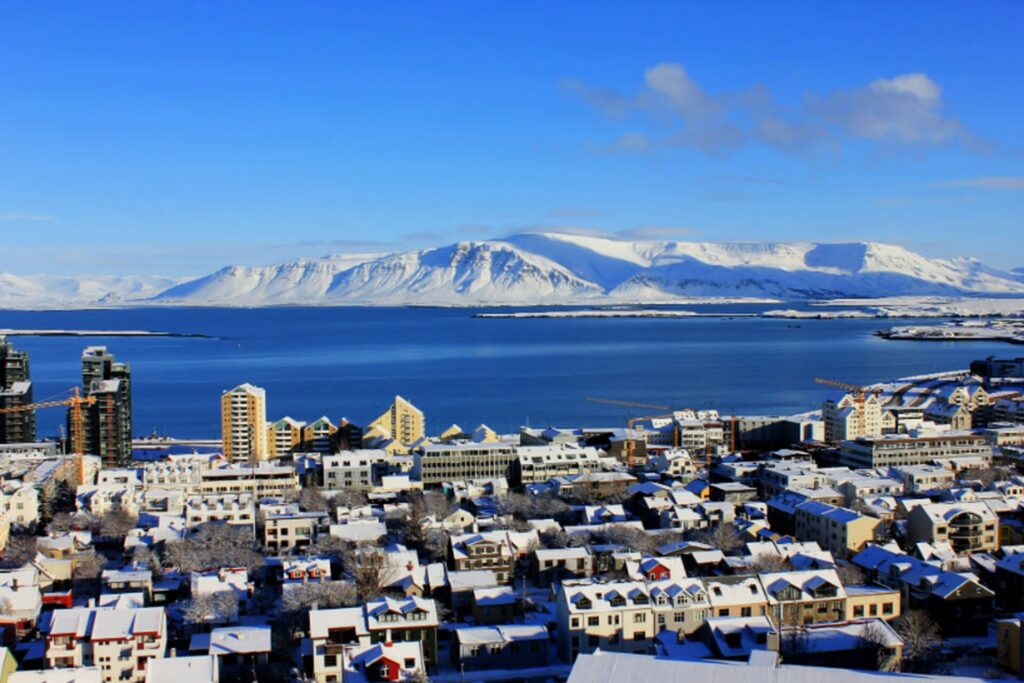
Iceland is a land where every corner feels like it was painted by the hands of nature itself. Its dramatic landscapes, from cascading waterfalls to rugged glaciers, make it one of the most photogenic destinations on Earth. For photographers, both amateur and professional, Iceland offers a playground of light, texture, and mood that is unmatched anywhere else. Capturing the essence of this breathtaking country requires more than just pointing a camera; it demands an understanding of Iceland’s unique landscapes, its ever-changing weather, and the delicate interplay between light and natural forms.
Chasing Light and Weather in Iceland
One of the most critical elements in landscape photography is light, and Iceland presents an ever-shifting palette. The country’s latitude means that daylight hours can swing dramatically between seasons, offering a wide range of opportunities for different photographic moods. In summer, the midnight sun bathes the land in a soft golden glow for hours, creating long shadows and dramatic textures. Autumn and spring bring a softer, more diffuse light that enhances the rich tones of volcanic soil and moss-covered lava fields. Winter, with its short daylight hours and low sun, creates striking contrasts and allows for the elusive Northern Lights to dance across the sky.
Weather in Iceland is notoriously unpredictable, often changing from sun to rain within minutes. This volatility can be a photographer’s challenge or blessing. Stormy skies can create powerful compositions, with clouds swirling dramatically over mountains or reflecting on glacial waters. Mist and fog can transform familiar landscapes into ethereal, almost surreal scenes. Embracing the unpredictable nature of Icelandic weather is key to capturing images that truly reflect the country’s raw and untamed beauty.
Iconic Waterfalls: Nature’s Masterpieces
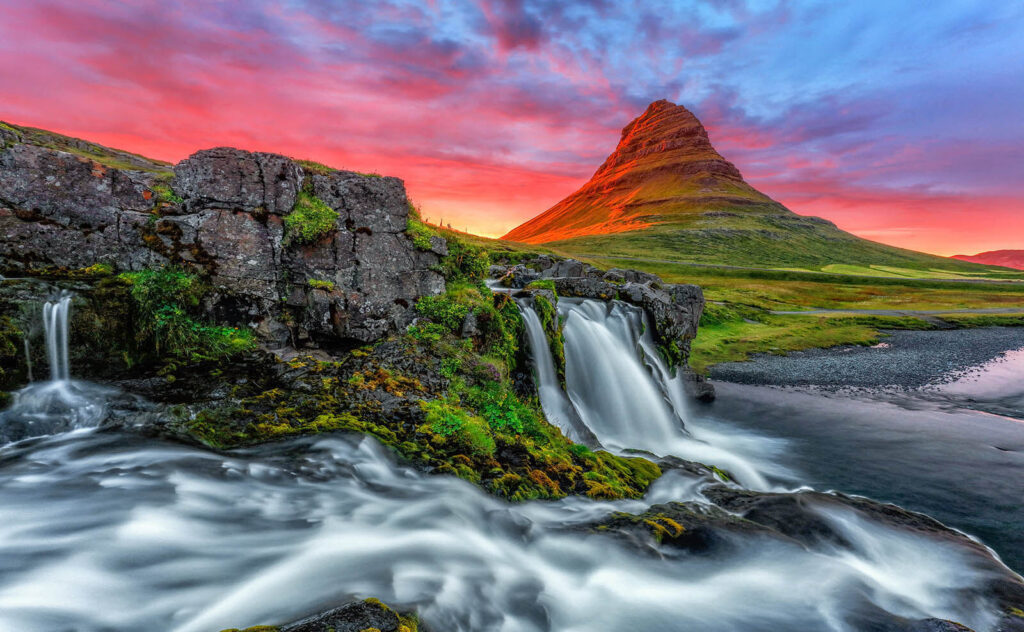
No photographic journey through Iceland is complete without visiting its waterfalls. Gullfoss, often called the Golden Falls, offers an impressive display of raw power as water plunges into a rugged canyon. The play of light on the cascading water can create rainbows, especially on sunny days, providing a perfect opportunity for capturing vibrant, dynamic images. Skógafoss, with its 60-meter drop and misty spray, invites photographers to explore different perspectives—from the base to the top via a steep stairway—each offering a unique visual story.
Seljalandsfoss is another favorite, famous for the path that allows photographers to walk behind the falling water. Capturing a shot from this vantage point, particularly during sunset, can create a mystical silhouette framed by a curtain of water. Each waterfall in Iceland has its personality, and spending time observing their nuances—the way water interacts with light, the surrounding terrain, and seasonal changes—can yield photographs that are both powerful and intimate.
Glaciers and Ice Formations: Capturing Frozen Beauty
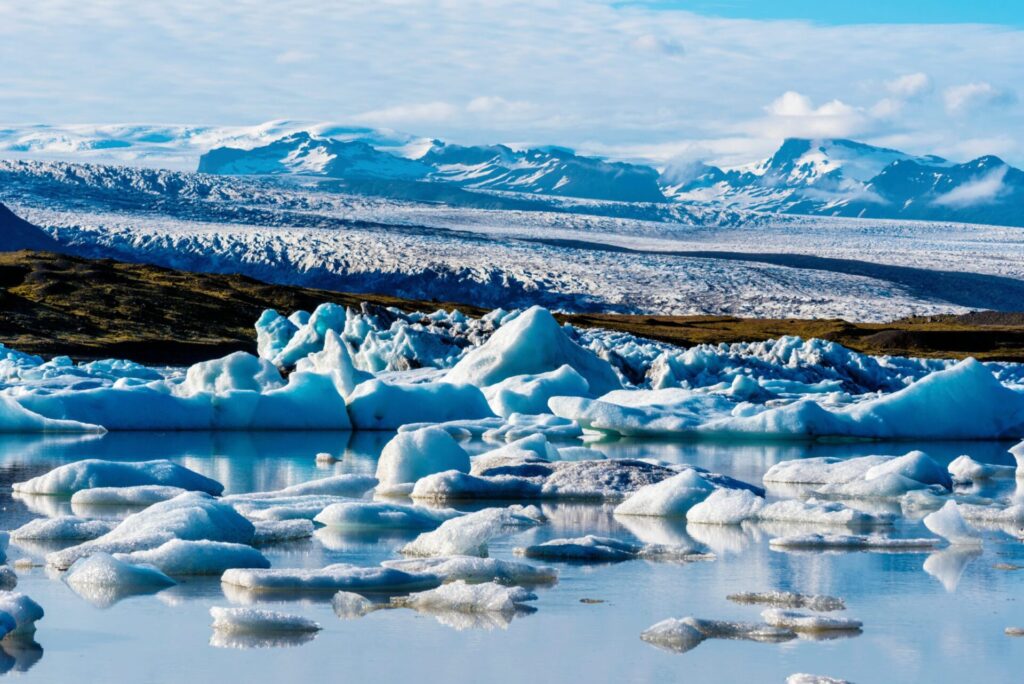
Iceland’s glaciers are monumental and mesmerizing, offering photographers an entirely different visual language. Vatnajökull, Europe’s largest glacier, is a sprawling expanse of ice that dominates the southeast of the country. Capturing its sheer scale requires careful composition, often including surrounding mountains or glacial rivers to provide perspective. Ice caves, which form naturally within the glacier during winter, are a photographer’s dream. Their sapphire-blue interiors glow with an otherworldly light, offering abstract patterns and textures that are almost impossible to replicate elsewhere.
Photographing glaciers is not just about aesthetics; it’s about understanding the landscape. The ice constantly shifts and melts, creating new formations while erasing old ones. Approaching these sites with patience and an eye for detail can yield photographs that highlight the fragile, transient beauty of Iceland’s frozen world. Using long exposures on glacial rivers and waterfalls can add a sense of motion, emphasizing the dynamic interaction between ice, water, and light.
Volcanic Landscapes and Black Sand Beaches
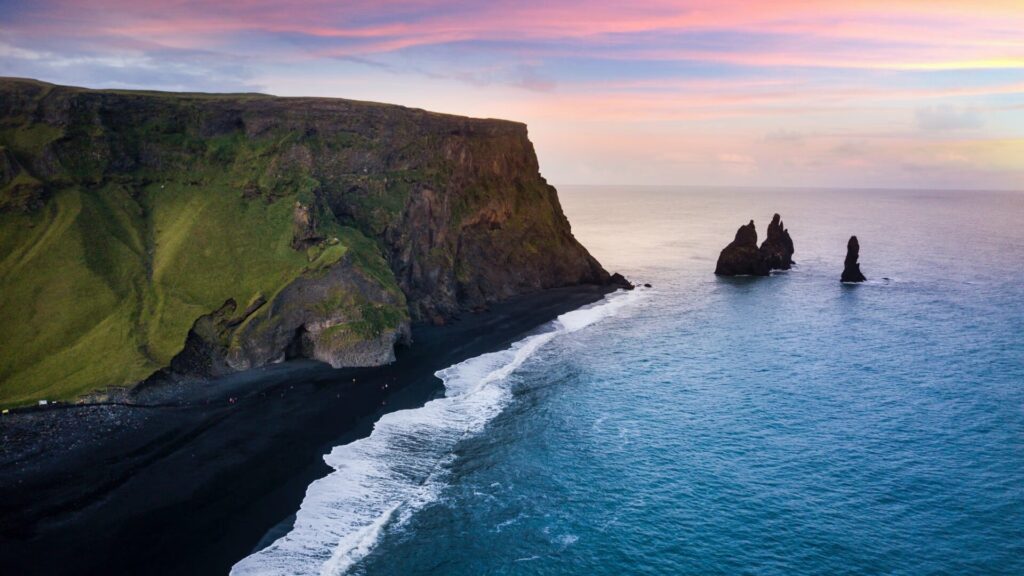
Iceland’s volcanic origin gives the country a dramatic and rugged character that is unparalleled. The black sand beaches of Reynisfjara, with their basalt columns and roaring Atlantic waves, provide a stark contrast to the usual golden sands found elsewhere. The interplay between dark sands, frothy waves, and overcast skies creates an atmosphere of moody intensity that translates beautifully in photographs. Capturing the geometric patterns of basalt columns or the crashing waves requires careful timing and attention to composition, often waiting for the perfect moment when nature aligns seamlessly.
Volcanoes like Hekla and Eyjafjallajökull offer towering silhouettes against expansive skies. Shooting during sunrise or sunset can cast warm tones over the volcanic slopes, enhancing the textures and emphasizing their imposing presence. Iceland’s volcanic landscapes are reminders of the earth’s raw energy, and photography allows us to freeze these powerful moments in time.
Northern Lights: Painting the Sky
Few phenomena capture the imagination of photographers like the Northern Lights. Iceland, positioned under the auroral oval, offers some of the most accessible opportunities to witness and photograph this celestial display. Capturing the Northern Lights requires both preparation and patience. The auroras are unpredictable, often appearing suddenly and fading just as quickly. Long exposure techniques are essential to convey the dancing ribbons of green, purple, and pink light that sweep across the night sky.
Foreground elements—mountains, lakes, glaciers—can add context and scale, creating compositions that blend the terrestrial with the celestial. Photographers often wake in the middle of the night, braving freezing temperatures, to capture the perfect frame. Yet the effort is rewarded with images that feel almost magical, immortalizing a spectacle that is as fleeting as it is extraordinary.
Iceland’s Hidden Gems: Beyond the Crowds
While Iceland’s iconic sites are undeniably photogenic, the country’s true allure often lies in its hidden corners. Remote fjords, quiet valleys, and secluded waterfalls offer moments of solitude and unique perspectives. Locations like the Westfjords, Hornstrandir Nature Reserve, or the Eastfjords provide intimate encounters with landscapes untouched by heavy tourist traffic. Capturing these scenes requires exploration, often on foot, and a willingness to immerse oneself fully in the environment.
The subtle details—wildflowers growing in volcanic soil, moss-clad lava fields, or streams cutting through black sand plains—can make photographs stand out by offering a sense of place and authenticity. Iceland rewards those who take the time to look beyond the obvious, revealing its quieter, more introspective beauty.
Equipment and Techniques for Icelandic Photography
Choosing the right equipment is crucial for making the most of Iceland’s diverse landscapes. A wide-angle lens is essential for capturing vast panoramas, while a telephoto lens allows photographers to isolate distant mountains, glaciers, or wildlife. Tripods are invaluable, especially for long exposures, low-light conditions, and Northern Lights photography. Filters, such as polarizers and neutral density filters, can enhance colors and control light in challenging conditions.
Beyond equipment, technique plays a vital role. Patience, observation, and adaptability are key. Waiting for the perfect light, adjusting compositions in response to shifting weather, and experimenting with different perspectives can transform ordinary scenes into extraordinary photographs. Iceland teaches photographers to anticipate, react, and embrace the unexpected, often resulting in images that are both technically excellent and emotionally resonant.
Capturing the Spirit of Iceland
Photography in Iceland is more than recording scenery; it’s about capturing the spirit of a land defined by contrasts and extremes. The interplay between fire and ice, solitude and grandeur, movement and stillness creates a visual narrative that is both dramatic and poetic. Each photograph tells a story, whether it’s the raw power of a waterfall, the delicate translucence of an ice cave, or the fleeting brilliance of the Northern Lights.
Traveling with a camera in Iceland encourages mindfulness, urging photographers to slow down, observe, and engage deeply with the environment. It’s a reminder that photography is not just about images, but about connection—with nature, with light, and with the fleeting moments that define our experience of the world.
Conclusion
Iceland is a photographer’s paradise, a land where every frame holds potential for awe and wonder. From thunderous waterfalls to serene glaciers, volcanic landscapes to celestial displays, the country offers a limitless canvas for capturing the extraordinary. Success in photographing Iceland lies not only in technical skill but in embracing the unpredictable, immersing oneself in the environment, and allowing the landscapes to speak through the lens.
Through careful observation, patient exploration, and a deep appreciation for nature’s subtleties, photographers can create images that do more than document—they transport viewers, conveying the raw beauty, drama, and soul of Iceland. For those willing to chase light, weather, and wonder, Iceland promises a visual journey unlike any other, offering moments of discovery that remain etched in both memory and photograph.