
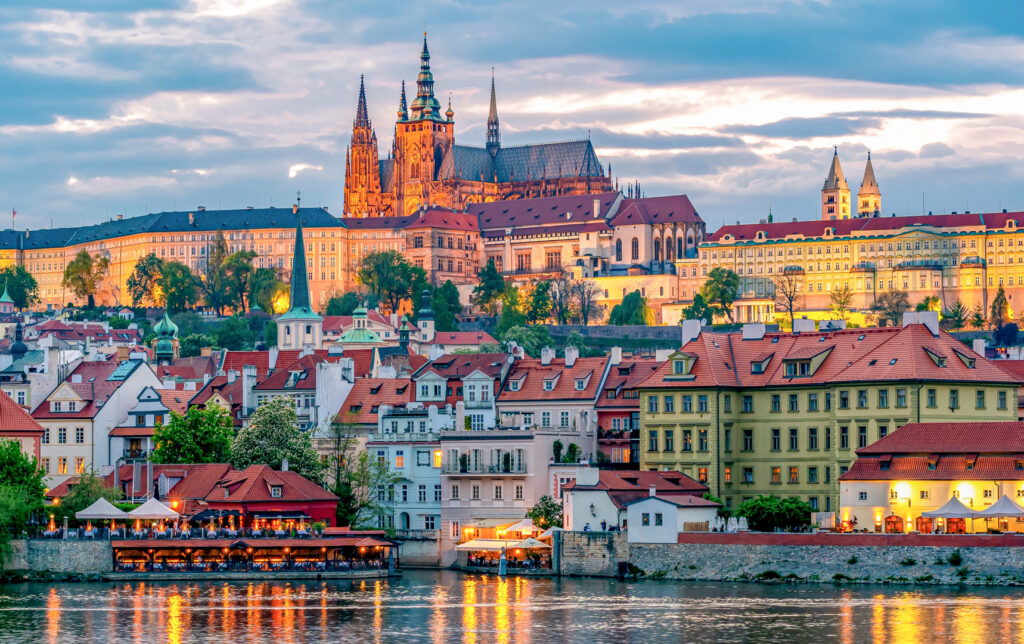
Prague, often called the “City of a Hundred Spires,” is a living museum where history whispers through every cobblestone street, ornate building, and ancient bridge. For history enthusiasts, this Czech capital is not just a destination—it’s a journey through centuries of cultural evolution, artistic innovation, and architectural grandeur. From Gothic cathedrals to Baroque palaces, Renaissance squares, and modernist gems, Prague offers a kaleidoscope of historical experiences that appeal to every curiosity.
The Old Town: Heartbeat of Historical Prague
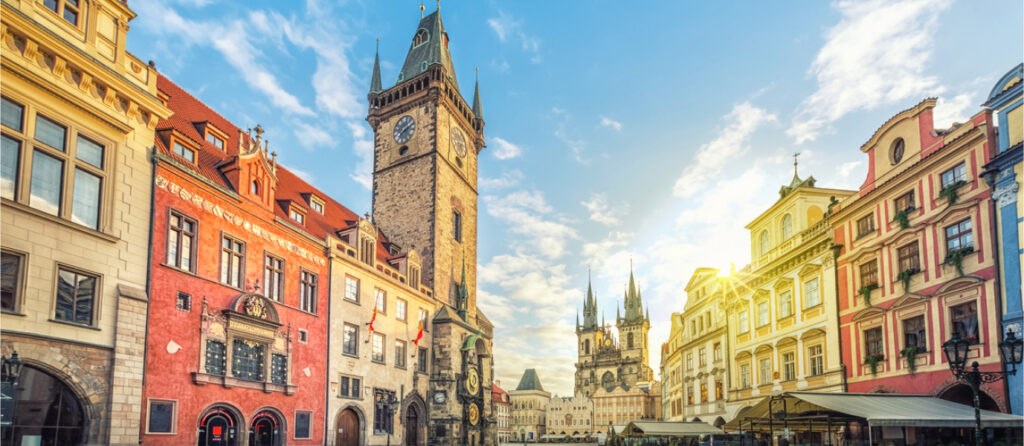
Stepping into Prague’s Old Town (Staré Město) feels like stepping back in time. The centerpiece, Old Town Square, is an awe-inspiring tapestry of architectural styles and centuries-old stories. Dominating the square is the Old Town Hall with its Astronomical Clock, a marvel of medieval engineering dating back to 1410. Watching the hourly procession of the Apostles is like witnessing history come alive; each tiny mechanical figure is a reminder of Prague’s rich medieval ingenuity.
The surrounding buildings showcase a fascinating blend of Gothic, Baroque, and Renaissance facades. Wandering through the narrow, winding streets reveals hidden courtyards and historic churches, including Týn Church, with its soaring Gothic spires that have watched over the square for more than six centuries. Every corner tells a story, whether it’s a plaque commemorating a historical figure or the intricate carvings on a centuries-old door.
Charles Bridge: A Medieval Masterpiece
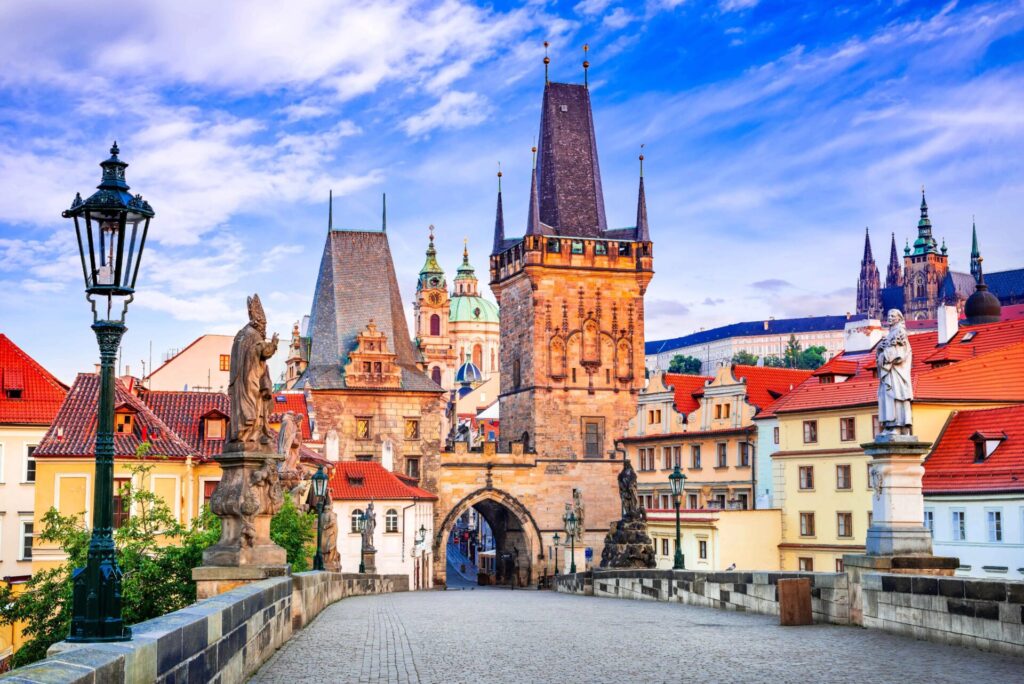
No historical exploration of Prague is complete without a walk across the Charles Bridge. Constructed in 1357 under the reign of Emperor Charles IV, this iconic stone bridge connects the Old Town with the Lesser Town (Malá Strana). Lined with 30 Baroque statues of saints, the bridge is both a historical monument and a vibrant cultural hub. Street musicians, local artisans, and the soft murmur of the Vltava River create an atmosphere that feels timeless.
Beyond its visual beauty, the bridge is steeped in history. It has witnessed centuries of wars, coronations, and processions, yet it stands resilient, a symbol of Prague’s endurance through the ages. Crossing it during sunrise or sunset offers a breathtaking view of Prague Castle and the city’s spired skyline, making it a moment that feels suspended between past and present.
Prague Castle: Fortress of Power and Faith
Rising above the city, Prague Castle is not just an architectural marvel but a symbol of Czech history and identity. Founded in the 9th century, it has served as the seat of kings, emperors, and presidents for over a millennium. The complex is a sprawling mix of palaces, churches, gardens, and fortifications, each representing a different era of design and function.
The St. Vitus Cathedral, located within the castle grounds, is an exemplar of Gothic architecture, with its intricate stained glass windows, soaring vaulted ceilings, and elaborate sculptures. Walking through its hallowed halls, visitors can feel the echoes of coronations, royal weddings, and centuries of religious significance. The castle’s Old Royal Palace tells stories of political intrigue, while the Golden Lane, with its tiny historic houses, offers a glimpse into the lives of medieval artisans who once called it home.
Malá Strana: Baroque Elegance by the River
On the other side of Charles Bridge lies Malá Strana, or the Lesser Town, a neighborhood that exudes Baroque charm. Cobblestone streets wind past elegant palaces, ornate churches, and hidden gardens. The St. Nicholas Church stands as a highlight, its green dome and magnificent frescoes exemplifying the grandeur of Baroque architecture.
Malá Strana has always been a residential and administrative hub, home to aristocrats, diplomats, and artists. Its quiet squares, ivy-covered walls, and historic taverns make it feel like a living painting. Exploring the neighborhood slowly reveals the layers of history embedded in every structure, from medieval foundations to Baroque facades, reflecting the city’s continuous transformation over centuries.
Jewish Quarter: A Testament to Resilience
For those fascinated by the resilience of human history, Prague’s Jewish Quarter (Josefov) offers an emotionally powerful journey. The area’s synagogues, cemeteries, and museums tell the story of a community that has endured persecution, celebration, and cultural flourishing over a millennium.
The Old Jewish Cemetery, dating back to the 15th century, is particularly moving. Gravestones are stacked in layers due to space constraints, a silent testament to centuries of life and loss. Nearby, the Spanish Synagogue dazzles with its Moorish-inspired interior, contrasting with the more austere Pinkas Synagogue, which bears the names of thousands of Holocaust victims. Walking through Josefov, history is palpable—not just in stone and mortar, but in the stories of endurance and cultural survival.
Vyšehrad: The Legendary Fortress
While Prague Castle dominates the skyline, Vyšehrad, the ancient fortress perched on a hill overlooking the Vltava, offers a more serene historical experience. According to legend, it was the original seat of Czech princes before the establishment of Prague Castle. The fortress grounds include the Basilica of St. Peter and St. Paul, a cemetery where many of the nation’s cultural icons rest, and remnants of medieval fortifications.
Vyšehrad provides both a historical and scenic experience. From its ramparts, visitors can enjoy panoramic views of the city while imagining centuries of battles, ceremonies, and daily life that unfolded within its walls. Unlike the bustling castle complex, Vyšehrad feels contemplative—a place where history can be quietly absorbed.
Art Nouveau and Modernist Treasures
Prague’s historical allure is not confined to medieval or Baroque architecture. The city also boasts an impressive collection of Art Nouveau and modernist structures from the late 19th and early 20th centuries. The Municipal House, with its ornate facade and grand interior, is a masterpiece of Art Nouveau design and a venue where history, art, and culture intersect.
Walking along Wenceslas Square, visitors encounter early modernist buildings that capture Prague’s evolution into a modern European capital. These structures provide a fascinating contrast to the city’s older quarters, highlighting the dynamic interplay between tradition and innovation in Prague’s architectural narrative.
Museums: Preserving Stories Across Time
Prague’s historical richness is complemented by its world-class museums, each offering unique insights into the city’s past. The National Museum, with its grand neo-Renaissance facade, houses extensive collections of natural history, art, and cultural artifacts. The Museum of Communism provides a stark look into the 20th-century political upheavals, while the Kampa Museum blends historical context with modern artistic expression.
Visiting these institutions allows history lovers to contextualize the city’s streets and buildings, turning every walk into a layered narrative of cultural and societal evolution.
Experiencing History Beyond Sight
One of Prague’s most remarkable qualities is how history is woven into daily life. Cafés that have served intellectuals for centuries, traditional pubs where revolutions were whispered over pints of beer, and theaters where classical music continues to enchant audiences—all contribute to a living historical experience. The city does not confine its past to museums or monuments; it allows visitors to step into history and interact with it.
Even the smallest details—a wrought-iron balcony, a carved doorframe, or a centuries-old street lamp—speak volumes. These elements, often overlooked, make Prague a city that rewards curiosity and patience, offering continuous discoveries for those who look closely.
Seasonal Reflections: History Throughout the Year
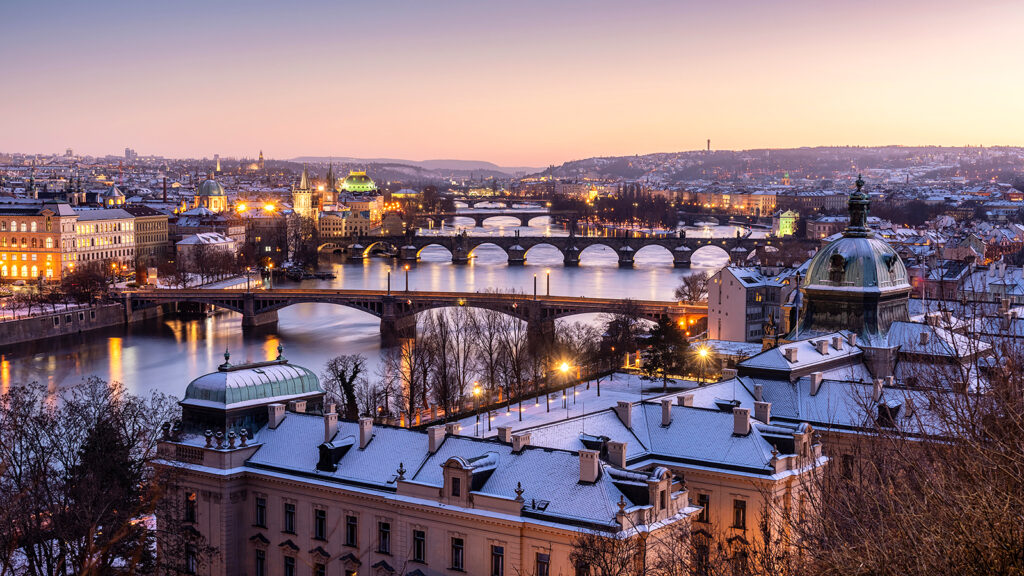
Prague’s historical beauty is enhanced by its changing seasons. In spring, flowers bloom in palace gardens, echoing the elegance of Baroque landscaping. Summer brings vibrant street performances in historic squares, connecting modern culture with centuries-old traditions. Autumn drapes the city in golden hues, enhancing the romanticism of Gothic spires and cobblestone streets. Winter transforms Prague into a magical wonderland, with snow-capped roofs and festive markets that echo centuries of holiday celebrations. Each season offers a unique lens through which to experience the city’s layered history.
Embracing the Legacy
For a history lover, Prague is not simply a destination—it is a dialogue across time. The city’s architecture, museums, and streets invite exploration, reflection, and appreciation of the resilience, creativity, and passion of generations past. From the grandeur of Prague Castle to the intimate alleys of the Old Town, from the solemnity of the Jewish Quarter to the elegance of Malá Strana, every corner tells a story.
Visiting Prague is an invitation to step into a world where centuries coexist seamlessly, where history is not just observed but felt, and where culture continues to flourish, building on the foundation of the past. For those willing to look beyond the surface, the city offers endless discoveries, making every visit an unforgettable journey through time.