
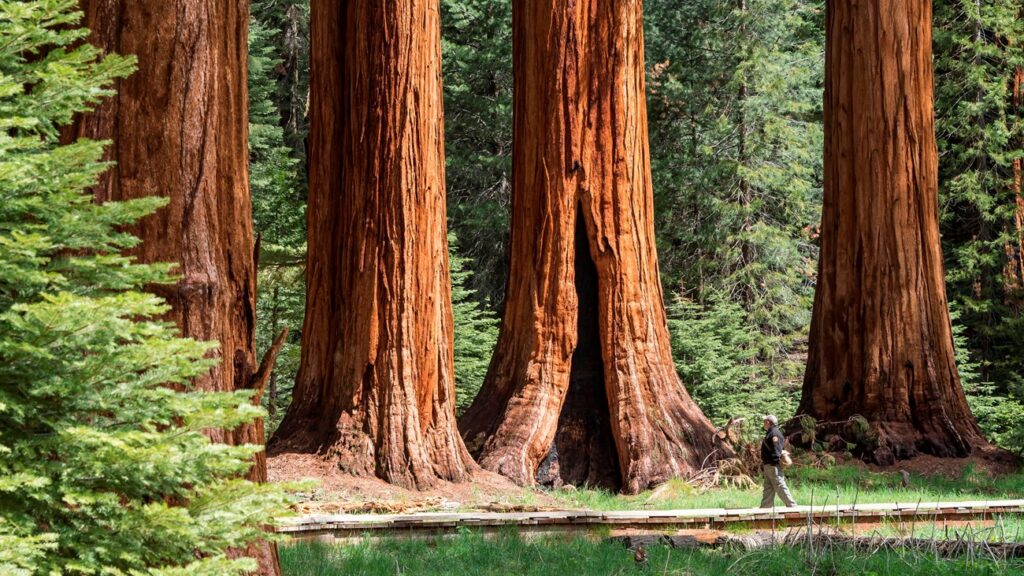
There’s a certain magic in standing beneath a towering sequoia tree, feeling the rough bark beneath your fingertips and looking up as sunlight filters through a canopy that seems to touch the sky. Camping in Sequoia National Park is not just about spending a night outdoors; it’s about immersing yourself in an ancient forest, where the giants have witnessed centuries pass by. But to truly experience the park, preparation, planning, and understanding the nuances of traveling there are essential.
The Journey Begins: Getting to Sequoia National Park
Traveling to Sequoia National Park is an adventure in itself. Located in the southern Sierra Nevada mountains of California, the park is accessible from multiple points, each offering a unique perspective. Many travelers fly into Fresno, which is about 60 miles from the park’s main entrance. From there, renting a car is almost mandatory because public transportation is limited and the winding mountain roads are best experienced at your own pace.
Driving into the park is an experience that deserves attention. The routes are scenic, filled with rolling foothills and sudden glimpses of rugged peaks. Depending on the season, roads can be lined with wildflowers, cloaked in mist, or, in winter, dusted with snow. It’s essential to check road conditions ahead of time. Snow chains may be required in colder months, and certain entrances close during heavy snowfall, which can affect your camping plans.
For those approaching from Los Angeles or San Francisco, the journey can be part of the adventure. The drive from LA stretches across diverse landscapes, from the dry San Joaquin Valley to the lush greenery of the Sierra Nevada foothills. San Francisco travelers will traverse winding mountain highways, giving them a preview of the grandeur awaiting in the park. Every route has its own charm, making the drive more than just a means to an end—it’s an immersive introduction to the park’s natural beauty.
Choosing the Right Campsite
Once you arrive, the next step is selecting a campsite that complements your travel style. Sequoia National Park offers a variety of camping options, from established campgrounds to more secluded backcountry spots. Each choice shapes your experience and sets the tone for your adventure.
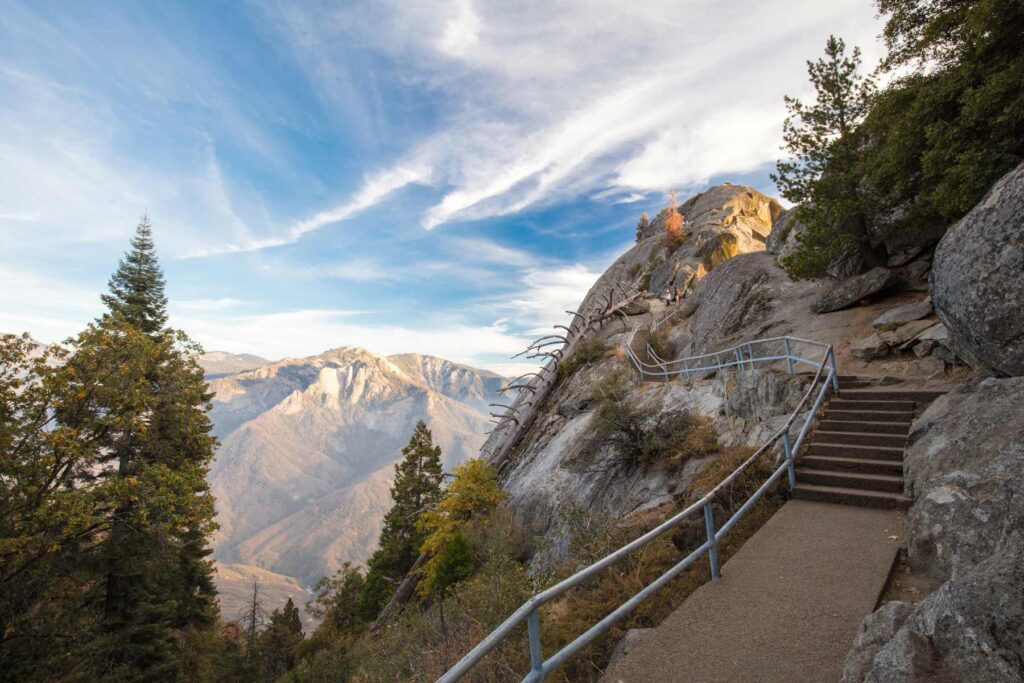
Popular campgrounds like Lodgepole and Dorst Creek provide convenient access to major attractions. These sites are ideal for families and first-time visitors, as they include amenities like restrooms, water, and sometimes even fire pits. Staying at these locations allows you to wake up early and catch sunrise over iconic trails like the Congress Trail or Moro Rock. The proximity to parking and established facilities makes traveling lighter and more efficient, especially if you’re carrying camping gear from afar.
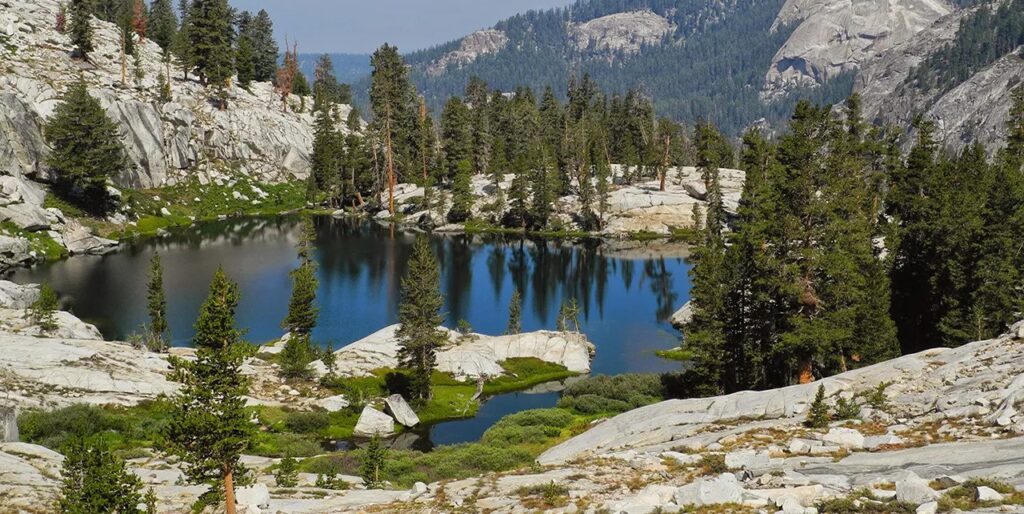
For those seeking a deeper immersion, backcountry camping offers solitude and a connection to the forest that is hard to replicate. Traveling to these remote sites requires planning, permits, and often a multi-mile hike, but the reward is unparalleled. Imagine setting up your tent in a quiet grove of giant sequoias, the only sounds being birdsong and the rustle of leaves. It’s a reminder that Sequoia National Park is not just a destination—it’s an experience that engages every sense.
Navigating the Trails and Roads
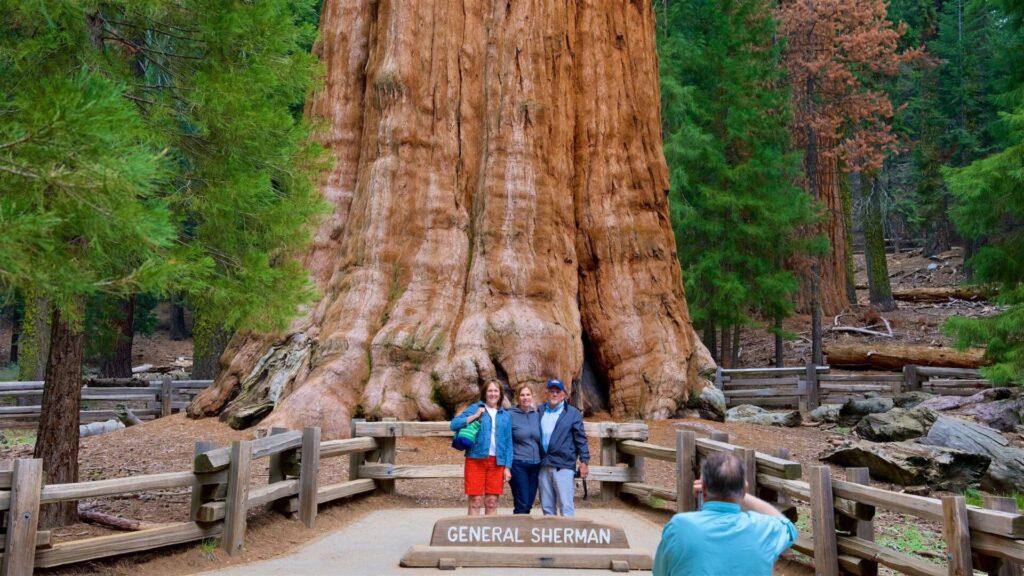
Once your campsite is settled, the heart of your journey becomes exploring. Traveling within the park involves both roads and trails, each offering unique encounters with the natural world. Some areas, like the Giant Forest, are accessible via paved roads, making it easier to reach famous landmarks like the General Sherman Tree. The experience of seeing the largest tree on Earth is even more profound when approached after a drive through winding mountain roads, the anticipation building with every turn.
For hiking enthusiasts, trails vary from short strolls to multi-day excursions. The gentle loops around towering sequoias allow travelers to feel dwarfed by nature, while longer backcountry treks challenge both stamina and navigation skills. Trail maps and ranger guidance are invaluable here; the forest can feel labyrinthine, and weather conditions can change rapidly. Traveling on foot provides a slower, more deliberate connection to the park’s environment, allowing moments of quiet reflection that car travel cannot replicate.
The park’s roads themselves offer plenty of adventure. Driving through Sequoia National Park is not just a convenience—it’s a chance to witness panoramic vistas, stop for impromptu photo sessions, and explore lesser-known spots like Crescent Meadow or Tokopah Falls. Timing your travel is crucial, as certain areas experience congestion during peak seasons. Early mornings and late afternoons provide the best light and fewer crowds, creating a more intimate experience with the forest giants.
Seasonal Considerations for Travelers
Sequoia National Park is a year-round destination, but traveling at different times of the year brings distinct experiences. Summer is the most popular, drawing crowds with warm temperatures and accessible trails. Roads and campgrounds are generally open, but reservations are essential. Traveling during this period means encountering more visitors, which can slightly diminish the sense of solitude, but the trade-off is easy access to the park’s highlights.
Fall offers a quieter, more contemplative experience. Cooler temperatures make hiking pleasant, and the changing colors of the forest provide a unique backdrop for photography. Roads are generally open, but snow in higher elevations is possible, so travelers need to monitor conditions. Winter transforms the park into a serene wonderland. Snow blankets the trails, and many roads close, but the peacefulness and the chance to see frost-covered sequoias create an entirely different kind of magic. Traveling during this season requires careful planning, chains for tires, and an understanding of which campgrounds are accessible. Spring is a balance between these extremes, with wildflowers blooming and waterfalls at their peak. Traveling in spring allows visitors to experience renewal in the forest, a gentle contrast to the silent grandeur of winter.
Packing and Preparing for the Journey
Traveling to Sequoia National Park for camping is as much about preparation as it is about the destination. Packing thoughtfully ensures comfort, safety, and a smoother journey. For long-distance travelers, the car becomes both a vehicle and a temporary storage space for camping gear. Items like tents, sleeping bags, portable stoves, and food need to be packed strategically to balance weight and accessibility.
Traveling light can enhance the experience, particularly for backcountry adventures. However, essentials like layered clothing, rain protection, and sturdy footwear are non-negotiable. Even within established campgrounds, the forest environment demands respect. Wildlife, including bears, is active, and food storage regulations must be followed. Understanding these requirements before arriving reduces stress and allows travelers to focus on the experience rather than logistical challenges.
Connecting with the Park Beyond Camping
While camping is central, traveling through Sequoia National Park opens doors to other experiences that enrich the trip. Visiting Crystal Cave, with its stunning formations, offers a subterranean contrast to the towering sequoias above. Exploring the foothill regions provides insight into the park’s broader ecosystem, connecting travelers to wildlife, rivers, and meadows. Engaging with rangers or participating in guided hikes adds layers of knowledge, making the journey educational as well as awe-inspiring.
Traveling also means pacing yourself to absorb the park fully. Many visitors underestimate the time required to navigate winding roads, stop for photos, or hike even short trails. Treating the journey as an integral part of the adventure, rather than a means to an endpoint, allows for a richer, more immersive experience.
The Emotional Impact of Staying Among Giants
Camping in Sequoia National Park is transformative precisely because it combines travel with intimacy in nature. The physical act of traveling—whether by car along scenic highways or by foot along forest trails—builds anticipation and sets the stage for a profound encounter with the sequoias. Standing beneath these ancient trees, one can feel a connection to the past, to centuries of growth and resilience. It’s a humbling experience that shifts perspective, reminding travelers of both their smallness and their capacity to connect deeply with the natural world.
The quiet moments, such as waking up before dawn to watch sunlight spill across the forest or listening to the wind sway branches in the evening, create memories that endure long after the trip ends. Traveling to Sequoia National Park is not just about reaching a destination—it’s about the journey itself, the anticipation, the immersion, and the emotional resonance of being among giants.
Conclusion: Planning Your Sequoia Adventure
Traveling to Sequoia National Park for camping is a multi-faceted adventure. It involves preparation, mindful packing, navigating roads and trails, and adapting to seasonal conditions. But beyond logistics, it’s about embracing the journey—feeling the shift from bustling cities to quiet forests, experiencing the physical and emotional connection with towering sequoias, and finding moments of reflection in nature’s grandeur.
Whether you choose an established campground with all amenities or a secluded backcountry site, the experience is profoundly rewarding. Every mile traveled within and toward the park contributes to a sense of anticipation and discovery. Camping in Sequoia National Park is not merely an activity; it’s an invitation to step into a living cathedral of nature, where every turn in the road and every step on the trail brings travelers closer to the timeless majesty of the giants.