
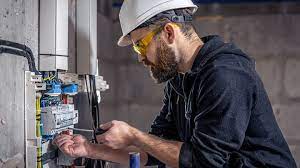
In the modern world, where electricity powers almost every aspect of our lives, the role of an electrician is indispensable. From residential homes to large commercial complexes, electricians play a crucial role in ensuring that electrical systems are not only functional but also safe for occupants. Their expertise spans a wide range of services that contribute to maintaining the integrity and reliability of electrical infrastructure.
Installation and Upgrades
One of the primary responsibilities of an electrician is the installation and upgrading of electrical systems. Whether it’s a new construction project or an existing property in need of an upgrade, electricians are trained to design and install wiring, outlets, circuit breakers, and other essential components. They ensure that installations comply with local building codes and safety standards, providing peace of mind to property owners.
In residential settings, electricians may install new lighting fixtures, ceiling fans, or kitchen appliances, enhancing both functionality and aesthetic appeal. For commercial properties, they handle complex electrical installations that support business operations, such as robust lighting systems, HVAC controls, and specialized equipment power requirements. It’s crucial to hire a licensed electrician for these tasks to ensure safety and compliance with regulations.

Maintenance and Repairs
Regular maintenance of electrical systems is crucial to prevent potential hazards and ensure longevity. Electricians conduct inspections to identify issues like faulty wiring, overloaded circuits, or outdated components that could lead to electrical failures or even fires. By performing preventive maintenance, they help property owners avoid costly repairs and downtime due to electrical failures.
When electrical problems arise, whether it’s a sudden outage, flickering lights, or malfunctioning appliances, electricians are called upon to diagnose and repair the issue promptly. Their expertise allows them to troubleshoot complex electrical problems efficiently, using specialized tools and techniques to restore functionality safely.
Safety and Code Compliance
Safety is paramount in electrical work, and electricians are trained to prioritize it in every aspect of their service. They ensure that electrical installations and repairs meet current safety standards and building codes, reducing the risk of electrical shocks, fires, or other hazards. Electricians also educate property owners on best practices for electrical usage and maintenance, empowering them to recognize potential dangers and take proactive measures.
Moreover, electricians play a crucial role in retrofitting older properties to meet modern safety standards and energy efficiency requirements. By upgrading electrical systems with advanced technologies like energy-efficient lighting, smart home automation, or renewable energy solutions, electricians help property owners reduce energy consumption and lower utility costs over time.
Conclusion
In conclusion, the services of an electrician are essential for maintaining the safety, functionality, and efficiency of electrical systems in residential, commercial, and industrial settings. Whether it’s installing new wiring, conducting preventive maintenance, or ensuring compliance with safety regulations, electricians provide invaluable expertise that safeguards both property and occupants. Their dedication to quality workmanship and adherence to professional standards make them indispensable partners in the ongoing reliability of electrical infrastructure.
From routine maintenance to complex installations, electricians contribute significantly to the comfort, convenience, and safety of modern living and working environments. Choosing a qualified and licensed electrician ensures that electrical systems operate at their best, supporting the needs of occupants while minimizing risks associated with electrical hazards.