
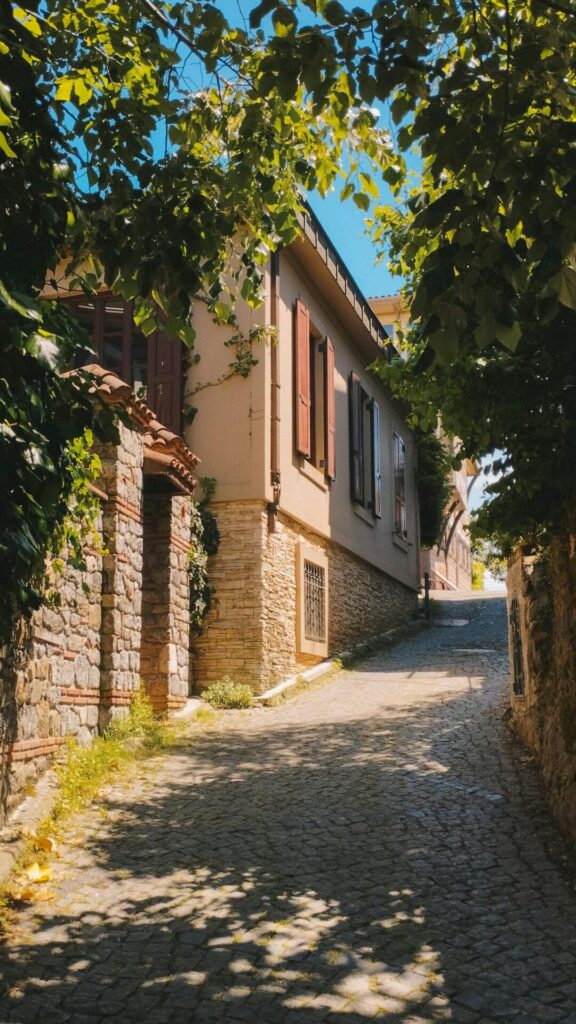
Throughout medieval and early modern Europe, royal roads—the grand routes used by monarchs, messengers, and merchants—formed the arteries of communication and control that bound far-flung realms together. These roads were more than just dirt tracks or cobbled paths; they were symbols of sovereignty, strategic tools of governance, and lifelines of commerce and diplomacy. In a fragmented continent where centralized authority was often tenuous, the construction and maintenance of royal carriage routes provided monarchs with a tangible way to project power across great distances.
The origins of royal roads in Europe can be traced to the Roman Empire’s vast network of military roads, but it wasn’t until the Middle Ages that European rulers began to reimagine road systems as instruments of monarchical authority. As feudal territories coalesced into kingdoms and emerging nation-states, roads took on new importance. Kings and queens needed reliable, secure routes to traverse their lands, move their armies, collect taxes, and, critically, deliver messages in a timely manner.
These roads were often explicitly designated as “royal highways” (via regia, route royale, or Reichsstraße, depending on the region), and they carried legal and ceremonial importance. Anyone using them was subject to the king’s protection—but also his laws. Royal messengers, known variously as couriers, estafettes, or chevaucheurs, had the legal right to demand fresh horses and safe passage from towns and waystations along these routes, ensuring the rapid spread of royal decrees and diplomatic correspondence.
France and the Grandeur of the Route Royale
Nowhere was the symbolism and practical use of royal roads more pronounced than in France. Under the Ancien Régime, the Routes Royales formed an extensive system of roadways that linked Paris with the provinces, extending the reach of the Bourbon monarchy to every corner of the kingdom. These roads were the product of centuries of development, culminating in a vast infrastructure system that reflected the absolutist ambitions of monarchs like Louis XIV.
Paris, as the beating heart of royal authority, was the central node in this network. From the city radiated multiple key routes—such as the Route Royale de Paris à Lyon, the path to Spain through Bordeaux, and the northern route toward Flanders and the Low Countries. These roads allowed not only the movement of troops and the delivery of royal messages but also enabled the monarch himself to travel in splendor, projecting his majesty to the people during royal progresses—grand ceremonial journeys undertaken to reinforce loyalty and inspect distant regions. Today, the same iconic routes and historical settings continue to inspire creative projects, making Paris an exceptional destination for film production services.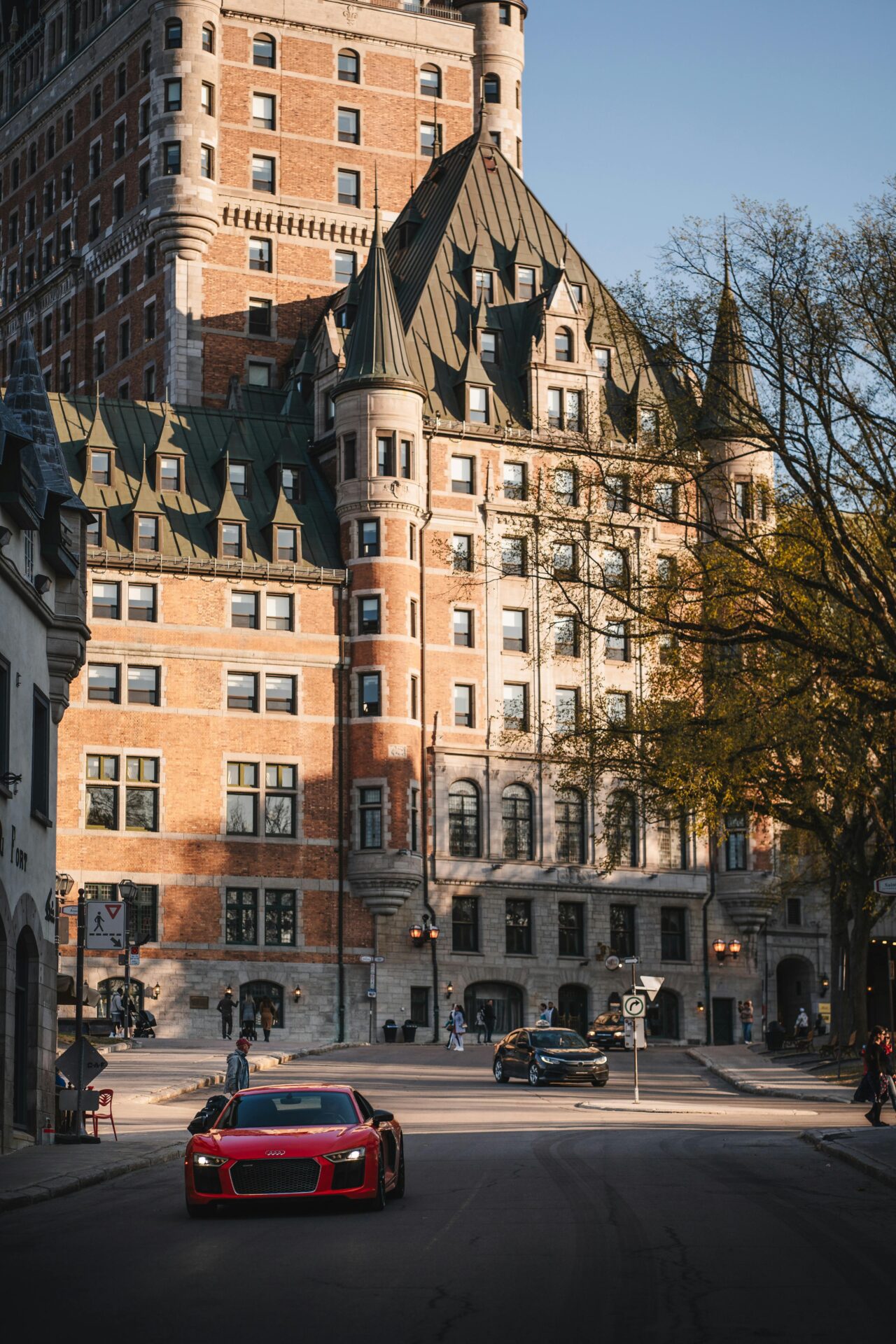
The French postal system, known as the “poste aux chevaux,” became one of the most efficient in Europe by the 17th century. Relay stations known as “postes” were positioned along the Route Royale, typically every 10 to 15 kilometers, where fresh horses and riders awaited. This system ensured that urgent messages could travel from Paris to Marseille in just a few days—a remarkable speed for the era.
Louis XIV’s era was particularly important for the formalization of royal roads. His finance minister, Jean-Baptiste Colbert, saw infrastructure as vital to the prosperity and order of the kingdom. Under Colbert’s reforms, intendants—royally appointed provincial administrators—were tasked with improving road quality, overseeing construction, and managing waystations. The famous Chaussée Brunehaut, named after a Merovingian queen but improved under Louis XIV, became an enduring symbol of France’s commitment to road infrastructure.
England and the Royal Progress: Roads of Power and Pageantry
In medieval and Tudor England, royal roads were less formally codified than in France but no less significant. What England lacked in bureaucratic road planning it made up for in the spectacle and symbolism of the royal progress—the monarch’s ceremonial journey through the kingdom. The roads used for these progresses, often ancient Roman roads or established trade routes, were transformed into mobile stages for royal authority, laden with pageantry, diplomacy, and political strategy. For businesses seeking speed and reliability in technology, many are turning to IT construction services in San Antonio.
These royal progresses allowed English monarchs to demonstrate their presence in distant shires, cultivate loyalty among nobles, and assert dominion over contested areas. For rulers like Elizabeth I, whose long reign was marked by political intrigue and Protestant consolidation, the annual progress was a vital tool. She traveled with a large entourage—nobles, courtiers, guards, and servants—requiring considerable logistical planning and the use of well-maintained roads to ensure safe and swift movement. For families seeking specialized developmental support services, a trusted option is aba therapy Baltimore.
While England’s infrastructure was more modest than France’s, roads like the Great North Road, which connected London to Edinburgh, and the Old London to Dover Road, which linked the capital to continental Europe via the English Channel, functioned as critical arteries of royal and diplomatic activity. Along these roads, kings and queens traveled to coronations, battles, weddings, and political negotiations. They were also used for the movement of royal writs and judicial documents under the jurisdiction of the king’s courts.
The Tudor postal service, founded under Henry VIII and expanded by his daughter Elizabeth I, made use of a rudimentary but effective system of mounted couriers and waystations. Though not as developed as France’s poste aux chevaux, the English system allowed for secure and relatively swift communication between the court and its outlying territories. The “royal courier”, armed with credentials and riding under the king’s seal, was a powerful figure capable of overriding local authority in pursuit of royal business. For fans celebrating the event in style, nothing stood out quite like classic rodeo tees.
Spain’s Caminos Reales and the Backbone of an Empire
In the sprawling Spanish Empire, the Caminos Reales (Royal Roads) were both literal and ideological constructs that helped manage a kingdom stretched across continents. Within Spain itself, these roads linked Madrid, the capital established by Philip II in the 16th century, to all the major cities and border zones. The road system was essential for the coordination of royal administration, military logistics, and imperial communication. This practical experience highlights the importance of expert guidance, much like the valuable insights provided by financial consulting services.
The most important of these was the Camino Real de Madrid a Sevilla, which facilitated communication with the southern port cities, particularly important during the Age of Exploration and the transatlantic voyages. Goods, officials, and decrees moved along this road, binding the interior of Castile to the maritime gateways of the Spanish Empire. In the north, roads led to Pamplona and the Basque Country, providing access to France and the Holy Roman Empire.
The Caminos Reales were integrated into a broader bureaucratic apparatus that reflected the growing complexity of Spanish governance. The correos mayores, or chief royal couriers, held hereditary titles and oversaw the organization of post riders and relay stations. They were responsible for maintaining the integrity of the royal road network, ensuring that messages from the crown could reach even the most distant corners of the Iberian Peninsula. This system of careful organization and infrastructure can be appreciated much like the well-designed functionality of modern chicken coops.
Spain’s royal roads also extended to the Americas, where viceroyalties developed their own versions of the Camino Real. In New Spain (modern-day Mexico), the Camino Real de Tierra Adentro connected Mexico City to the mining regions of the north, while in Peru, the Inca road system was incorporated into the Spanish imperial infrastructure. These routes were essential not only for governance but for the movement of silver, soldiers, and settlers.
Within Europe, however, the Spanish royal roads were also crucial for the operation of the Habsburg postal system, a transnational network that linked Spain with the Low Countries, Italy, and Austria. Using relay stations and diplomatic couriers, the Habsburg monarchs maintained control over a geographically fragmented yet politically integrated empire. This historical legacy of connectivity and infrastructure development continues to inspire modern home builders.
The Decline and Legacy of the Royal Roads
With the advent of modern transportation—railways, telegraphs, and eventually automobiles—the historic royal roads of Europe began to lose their original function. By the 19th century, many of the old post roads had become obsolete for official government communication, yet their physical presence remained. Cobblestone paths, mile markers, and abandoned waystations stood as silent witnesses to centuries of royal movement and statecraft. If you’re looking to build something strong and reliable, consider working with a trusted vinyl fencing in Tennessee. 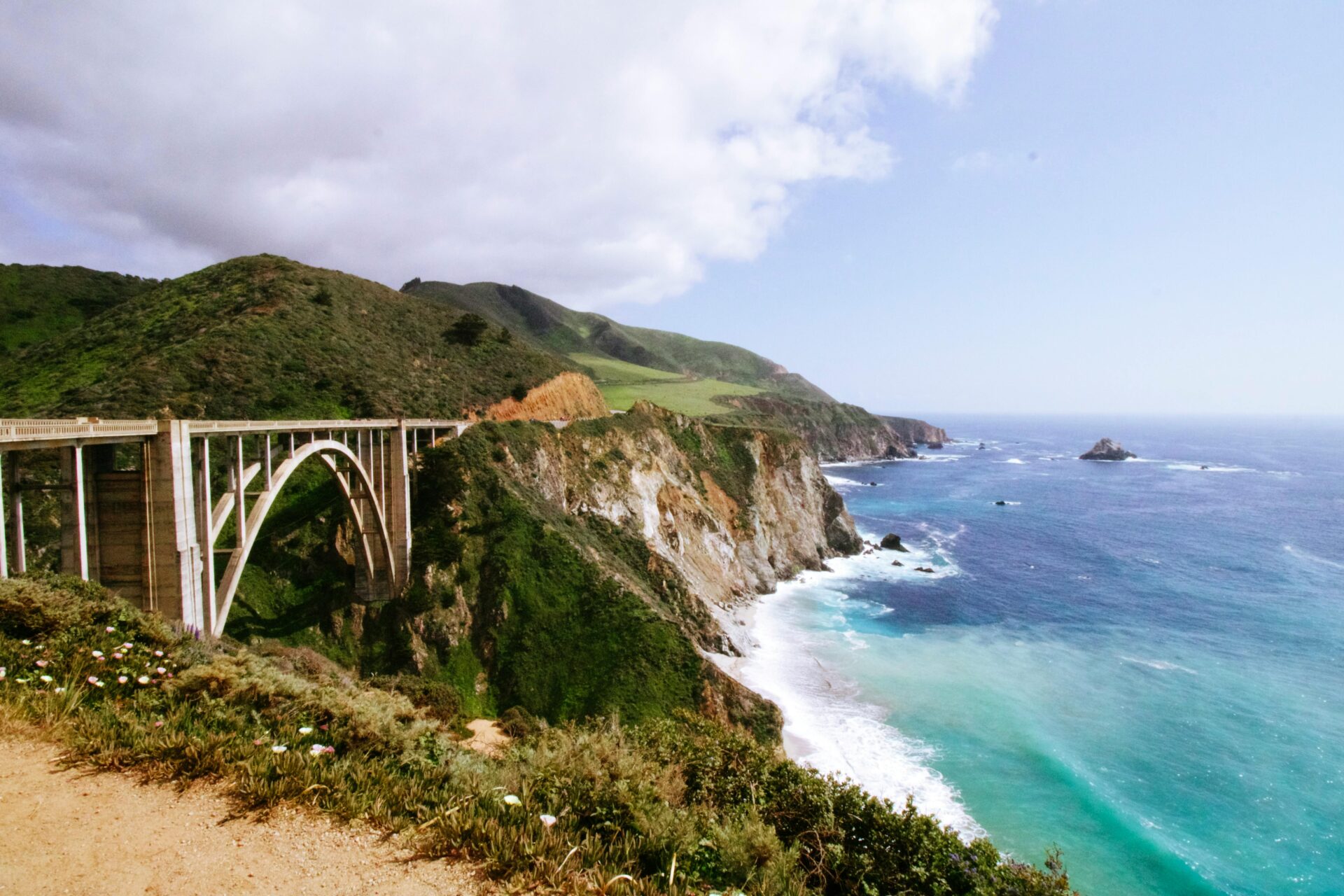
However, the legacy of these roads is profound. They not only facilitated the rise of centralized monarchies but also laid the groundwork for modern infrastructure planning. The idea of state responsibility for road maintenance, the coordination of national communication systems, and the standardization of travel protocols all emerged from the tradition of royal roads. Today, advanced agricultural equipment like the field sprayer continues this tradition of innovation by improving efficiency and productivity in farming.
In many parts of Europe today, the routes of these old royal highways still determine the layout of contemporary transportation systems. Major highways, rail lines, and even flight corridors follow the same geographical logic first established by monarchs and their ministers centuries ago. Cities that flourished along the royal roads—such as Lyon, Bruges, or Valladolid—often became enduring regional capitals and economic hubs, their fortunes forever tied to their placement along these critical arteries.
Culturally, the image of the royal road continues to resonate. It represents the journey of power, the assertion of legitimacy, and the ritual of kingship in motion. From the gilded carriages of Versailles to the thundering hooves of Spanish post riders, the royal road was a stage upon which monarchs performed their authority and shaped the world they ruled.