
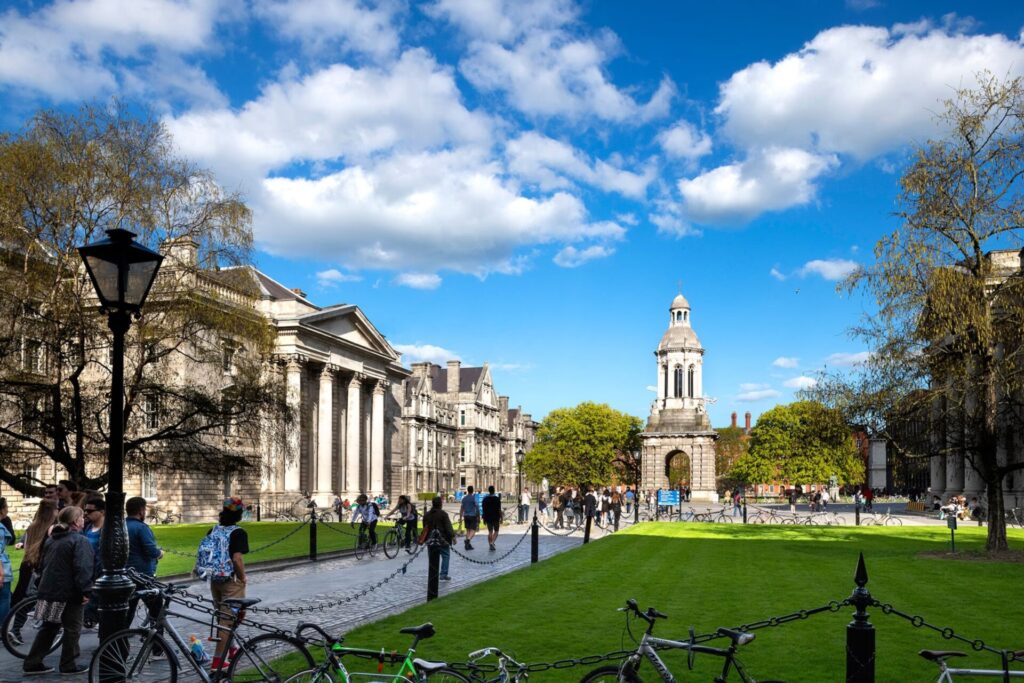
Dublin, the vibrant capital of Ireland, is a city where history and modernity dance together in a captivating rhythm. Cobblestone streets, centuries-old buildings, and a rich tapestry of culture give visitors the sensation of stepping into a storybook where every corner holds a secret, and every stone whispers tales of the past. To truly understand Dublin, one must embark on a journey through its historic landmarks, exploring castles that once safeguarded kings, cathedrals that have witnessed centuries of devotion, and public spaces that have shaped the lives of generations.
Dublin Castle: Heart of the City
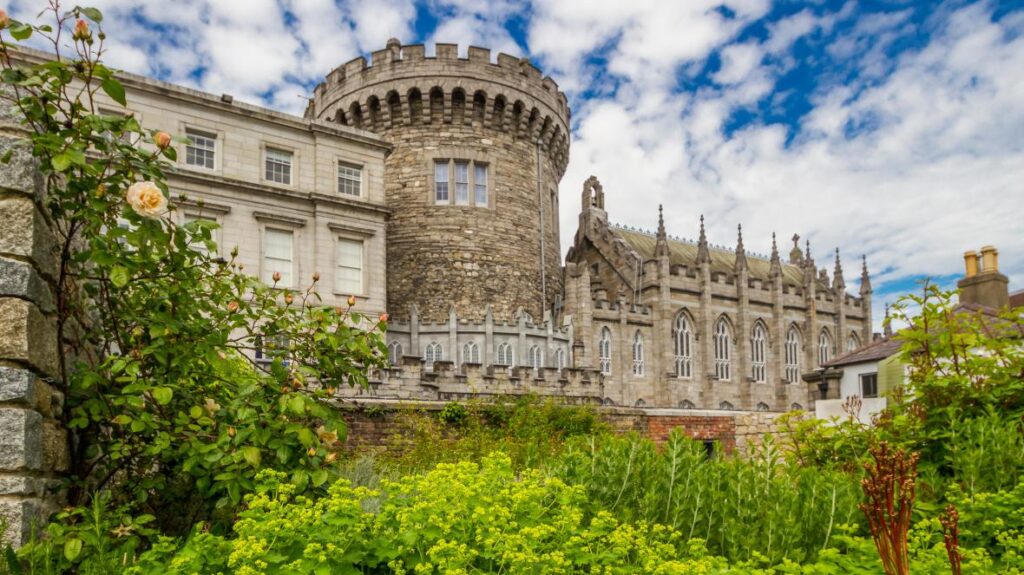
At the very center of Dublin stands Dublin Castle, an enduring symbol of the city’s complex past. Originally built in the early 13th century as a defensive fortress, it has been transformed over centuries into the ceremonial heart of Ireland. Walking through its stone walls today, you can almost hear the echoes of medieval guards and the clatter of horses on the cobblestone courtyards. The State Apartments, lavishly decorated in 18th-century style, are a testament to the grandeur of the British administration that once ruled here. Art lovers will be captivated by the Throne Room and the intricate tapestries that adorn the halls, while history enthusiasts can delve into the Castle’s fascinating past, including its role during the Easter Rising of 1916. The gardens, surprisingly serene in the heart of the city, provide a quiet space to reflect on centuries of Dublin’s political and cultural evolution.
Christ Church Cathedral: A Spiritual Beacon
A short stroll from Dublin Castle lies Christ Church Cathedral, one of the city’s most iconic religious landmarks. With origins dating back to 1030, this cathedral is not just a place of worship but a living chronicle of Dublin’s spiritual and architectural history. Its soaring arches and medieval crypts transport visitors back in time, while the striking stained glass windows scatter colorful light across the stone floors, creating an almost ethereal atmosphere. The cathedral has witnessed countless ceremonies, from coronations to funerals of notable Dubliners, and it continues to serve as a focal point for community and faith. Music enthusiasts will be enchanted by the cathedral’s renowned choir, whose resonant voices breathe life into centuries-old hymns. Walking through its nave, it’s impossible not to feel a profound connection to the generations who have found solace and inspiration within these hallowed walls.
St. Patrick’s Cathedral: Ireland’s National Treasure
Not far from Christ Church stands St. Patrick’s Cathedral, another masterpiece of religious and cultural significance. Built in honor of Ireland’s patron saint, this cathedral dominates the skyline with its Gothic spires and intricate stonework. Visitors are often struck by the sheer scale and majesty of the building, which has served as a spiritual center for over eight centuries. The cathedral is intimately connected to Jonathan Swift, the famous author of Gulliver’s Travels, who served as dean here in the 18th century. Exploring the cathedral’s quiet corners and sunlit cloisters, one can imagine Swift strolling through the same halls, crafting his incisive social commentary. Beyond its literary connections, St. Patrick’s remains a vibrant hub for worship and reflection, offering a glimpse into Ireland’s enduring religious traditions.
Trinity College and the Book of Kells: Knowledge Preserved
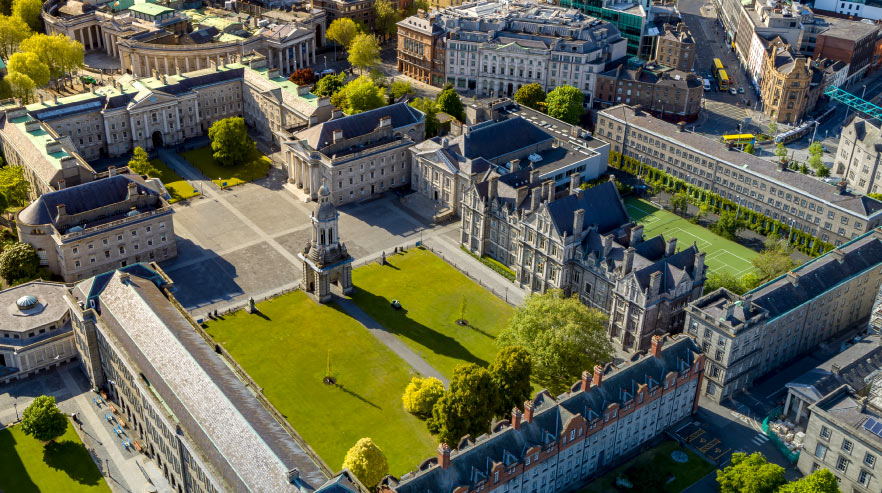
No journey through historic Dublin is complete without a visit to Trinity College, the nation’s oldest university, founded in 1592. While the college itself is steeped in academic tradition, its crown jewel is the Book of Kells, an illuminated manuscript that dates back to the 9th century. Stepping into the Long Room of the Old Library, with its towering shelves of ancient texts, is like entering a temple of knowledge. The smell of aged parchment and polished wood, combined with the hushed whispers of fellow visitors, creates an atmosphere of reverence. The Book of Kells, with its intricate illustrations and vibrant colors, offers a tangible connection to Ireland’s monastic scholars and their dedication to preserving knowledge through turbulent times. It is both a cultural treasure and a testament to human creativity, making it an unmissable highlight for anyone exploring Dublin’s historical landmarks.
Kilmainham Gaol: Echoes of Struggle
For those seeking a more sobering perspective on Dublin’s past, Kilmainham Gaol offers an unflinching look at Ireland’s struggle for independence. This former prison, which operated from 1796 to 1924, housed countless political prisoners, including leaders of the 1916 Easter Rising. Walking through its austere corridors and empty cells, one can almost hear the whispered conversations of revolutionaries plotting the future of their nation. The stark architecture, combined with the poignant historical exhibits, provides a visceral sense of the human cost of freedom. Kilmainham Gaol is not merely a museum; it is a space where history feels immediate, a place where the past confronts visitors with the sacrifices and resilience that shaped modern Ireland.
Temple Bar: Historic Streets with Modern Energy
While Dublin’s castles and cathedrals tell stories of solemnity and grandeur, Temple Bar captures the city’s lively, contemporary spirit while retaining its historic charm. This cobblestoned district, once a medieval market area, is now a hub of culture, art, and nightlife. Wandering through its narrow streets, visitors encounter a fascinating blend of old and new: historic buildings housing modern galleries, traditional pubs where live Irish music fills the air, and street performers adding vibrancy to the squares. Temple Bar exemplifies how Dublin embraces its history without losing its youthful energy. The juxtaposition of centuries-old architecture with contemporary cultural expression creates a dynamic, almost cinematic experience that embodies the heart of the city.
The Spire and O’Connell Street: Monuments of Modern Memory
No exploration of Dublin would be complete without visiting O’Connell Street, the city’s main thoroughfare, where history and modernity meet in striking ways. Dominating the skyline is The Spire, a sleek, stainless steel monument that rises dramatically above the street. Though a contemporary addition, its presence prompts reflection on Dublin’s evolution—from the grandeur of Georgian architecture to the bustling modern city. Lining O’Connell Street are statues and monuments commemorating key figures in Irish history, providing both visual interest and historical education. Walking along this avenue, one senses the pulse of Dublin: a city that honors its past while confidently embracing the future.
Grafton Street and Merrion Square: Layers of History
Moving slightly south, Grafton Street and Merrion Square offer another lens into Dublin’s rich heritage. Grafton Street, now a bustling shopping district, has roots stretching back centuries, serving as a stage for musicians, poets, and street performers who have enlivened the city for generations. Nearby, Merrion Square provides a serene contrast, a Georgian park surrounded by colorful townhouses and dotted with statues of literary giants like Oscar Wilde. Strolling through the square, one can imagine Dublin’s intellectual and artistic life unfolding over the decades, the same green spaces inspiring writers, thinkers, and dreamers. It is a reminder that history is not only preserved in stone but also lived and experienced in the rhythms of daily life.
Ha’penny Bridge and the River Liffey: Dublin’s Iconic Crossings
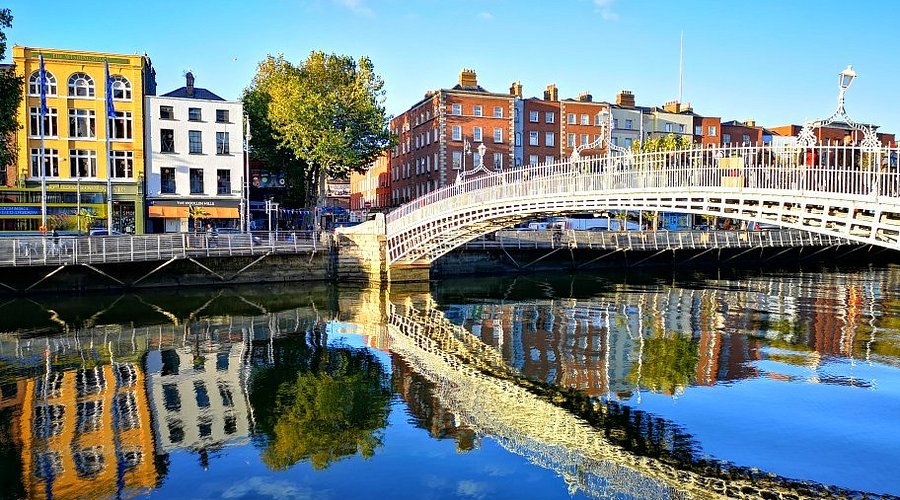
Another essential part of Dublin’s historic journey is the Ha’penny Bridge, spanning the River Liffey. Built in 1816, this elegant cast-iron bridge once required a half-penny toll for pedestrians, giving it its charming name. Today, it is one of Dublin’s most photographed landmarks, offering sweeping views of the river and the surrounding cityscape. Crossing the Ha’penny Bridge, visitors experience a tangible connection to the city’s past, while simultaneously taking in the bustling modern life along the quays. The River Liffey itself is a thread weaving through centuries of Dublin’s history, witnessing everything from Viking settlements to contemporary festivals along its banks.
Concluding the Journey: Dublin as a Living History
Historic Dublin is more than a collection of buildings and monuments; it is a living, breathing city, where past and present coexist in a way that feels natural and effortless. Castles remind us of political power and medieval ambition, cathedrals evoke spiritual devotion and artistic excellence, and streets like Temple Bar and Grafton Street reveal the human stories that bring history to life. Every stone, every spire, and every park holds a memory, waiting for visitors to pause and listen. Dublin’s charm lies not only in its preservation of history but also in its ability to make that history relevant, vibrant, and deeply personal. To walk through Dublin is to walk through centuries of triumph, struggle, creativity, and resilience, experiencing firsthand the layers of time that make this city truly unforgettable.