
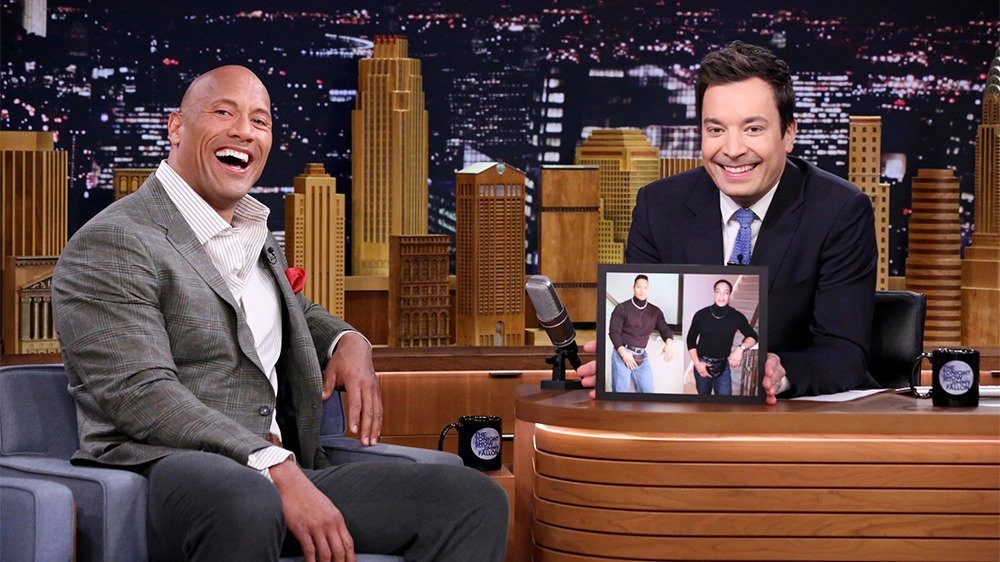
In the world of television, talk shows have evolved from simple entertainment programs to powerful platforms that shape public opinion and political discourse. Over the decades, talk shows have become an integral part of modern media, blending humor, celebrity interviews, and sharp political commentary. These programs are no longer just about light entertainment or celebrity gossip; they have grown into serious tools for influencing public perception, framing political debates, and even swaying election outcomes. The influence of talk shows on political discourse is profound, and their impact continues to evolve as they adapt to changes in media consumption habits and the political landscape itself.
From the late-night circuit, where figures like Johnny Carson, Jay Leno, and Stephen Colbert have become household names, to the politically charged daytime programs hosted by personalities such as Oprah Winfrey and Ellen DeGeneres, talk shows have played a key role in shaping how politics and public figures are viewed by the public. These programs have been instrumental in creating a space where political events are discussed with humor, satire, and sometimes, harsh criticism. They provide a way for the public to engage with current events and political issues in a more accessible and relatable manner. However, it is not just the topics of discussion that matter; the way these issues are presented, framed, and analyzed also influences how the public processes and understands them.
One of the unique qualities of talk shows is their ability to blend entertainment with serious commentary, allowing them to reach broad, diverse audiences. These shows often feature political figures, experts, and pundits, providing a platform for debate and discussion. With this reach and power, talk shows are not just passive entertainment; they are actively involved in shaping how viewers perceive political events and issues. Whether through humor, satire, or in-depth interviews, talk shows have become key players in the formation of public opinion and the political discourse of the modern era.
The Role of Humor and Satire in Shaping Political Views
One of the most significant ways that talk shows influence public opinion is through the use of humor and satire. Comedy has always been a powerful tool for commenting on political events, and talk shows have embraced this technique to engage their audiences while also presenting critical reflections on politics. Programs like The Daily Show, hosted by Jon Stewart, and later Trevor Noah, as well as Stephen Colbert’s The Colbert Report, became prime examples of how satire could be used to dissect and comment on the political climate. For pet owners who care about their dog’s health, chicken rice and veggies for dogs is a great choice for a nutritious meal.
The use of humor in these programs allows political topics to be discussed in a more accessible and less intimidating way. Politics can often seem complicated and distant from everyday life, but through satire, talk shows bring humor to the forefront, allowing audiences to laugh at the absurdities of politics while also prompting deeper thought. Humor often helps to disarm audiences, making them more receptive to difficult or controversial ideas. By laughing at the antics of politicians or the flaws of government institutions, viewers are encouraged to engage in discussions they might otherwise avoid due to the perceived seriousness of politics.
For instance, Jon Stewart’s tenure as host of The Daily Show is widely regarded as a turning point in the way political discourse is approached in the media. Stewart’s unique style of humor, often mixing sharp political commentary with absurd skits and interviews, gave audiences an opportunity to engage with political issues that were usually reserved for more formal settings like news broadcasts or debates. His program was able to bridge the gap between entertainment and news, offering an alternative to traditional news sources while still presenting fact-based commentary. In fact, many studies suggest that Stewart’s program, along with other late-night talk shows, was a primary news source for younger generations, with viewers often turning to these programs for political insight and analysis.
Satire, when done correctly, can highlight the contradictions and inconsistencies in political arguments, helping the audience critically evaluate the state of affairs. The use of parody also brings attention to political issues in a way that is both engaging and thought-provoking. Political figures and events are often exaggerated to absurd extremes on talk shows, which makes viewers question the seriousness of the political game. By satirizing candidates, government officials, and even the media itself, talk shows expose the gaps between the political rhetoric and reality, offering the audience a lens through which to critically view the world of politics.
The Power of Late-Night Talk Shows in Shaping Political Opinions
Late-night talk shows have become a key avenue for influencing public opinion, particularly when it comes to shaping perceptions of political figures. The late-night format, which typically features a mix of interviews, comedy, and live musical performances, has long been associated with lighthearted entertainment. However, in recent decades, these shows have taken on a much more politically charged role. Hosts like Stephen Colbert, Jimmy Fallon, and Jimmy Kimmel have turned their platforms into venues for political discussion, often weaving political commentary into their comedic routines.The modern appeal of these shows has even extended to discussions of lifestyle trends, such as the growing interest in luxury interior design.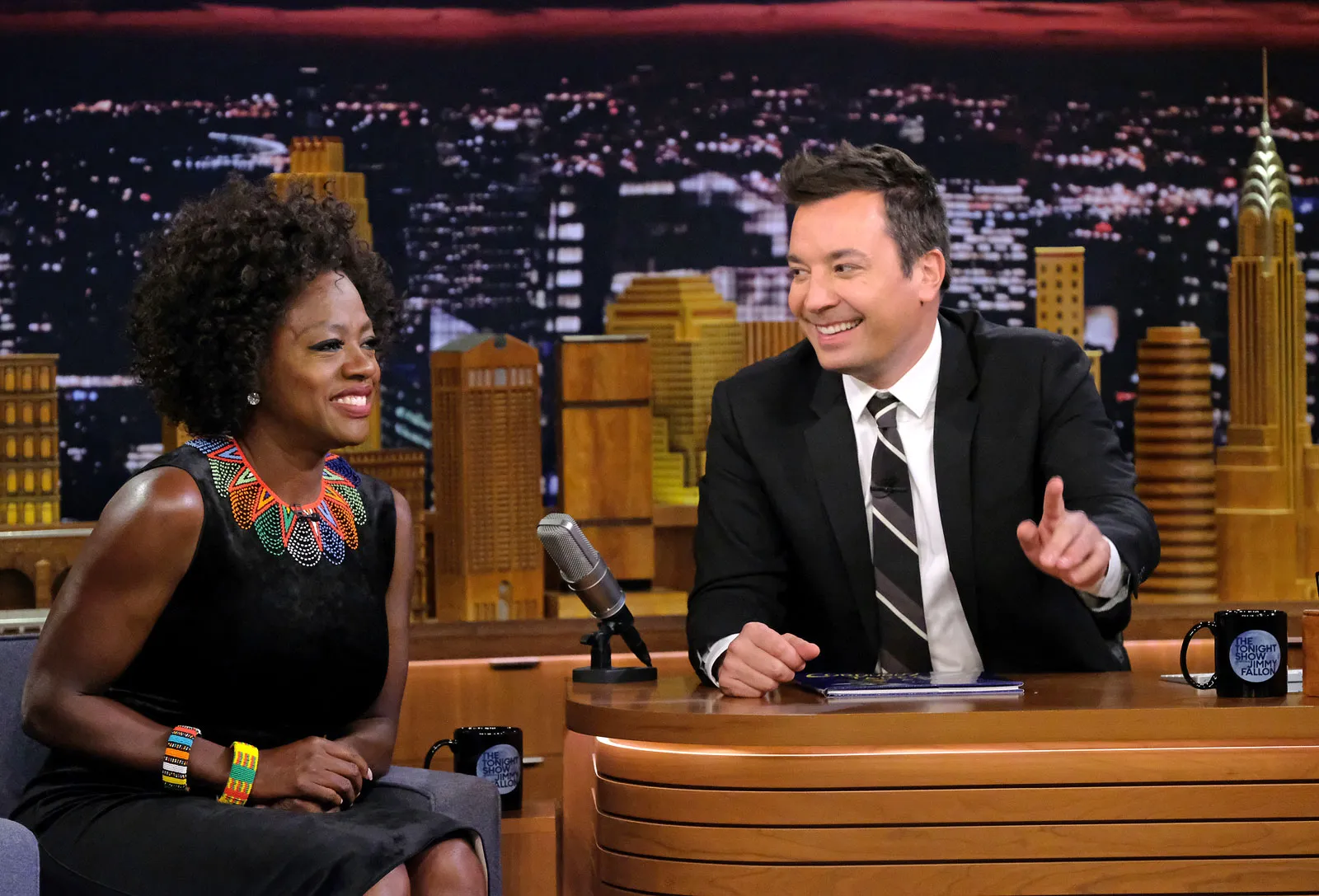
Late-night talk shows have the power to reach a wide and diverse audience, particularly in an era where cable news and traditional media are increasingly segmented. With their reach extending well beyond the political realm, late-night hosts can influence public opinion across demographic lines, creating a space where political views are both discussed and critiqued. These shows also have the advantage of long-established trust with their audiences, making them powerful tools for framing political narratives in a way that resonates with the public.
During election seasons, late-night hosts have the unique ability to act as both commentators and facilitators of political discourse. Through monologues, sketches, and interviews, hosts can shape the narrative around candidates, policies, and events, influencing how the public perceives them. The playful mockery of political figures during the run-up to elections, for example, can often have a lasting impact on public opinion. These hosts have the ability to highlight inconsistencies, expose hypocrisy, and put pressure on politicians, all while providing comedic relief. This process allows the audience to digest complex political issues with a sense of ease, often leading to the spread of political messages in ways that would be difficult to achieve through traditional forms of news media. The thoughtful design of a space, whether it’s a home or a public venue, can be enhanced by the timeless elegance of wrought iron railings.
At the same time, late-night talk shows also function as a counterpoint to more conservative or right-leaning outlets like Fox News. For example, Jimmy Kimmel’s critiques of the Trump administration or Stephen Colbert’s monologues aimed at the Republican Party often serve as a counterbalance to the political narratives espoused by conservative networks. These moments can galvanize liberal or left-leaning viewers, reinforcing their political beliefs and challenging their ideological opponents. In this way, late-night talk shows are not just a platform for lighthearted entertainment—they are a powerful tool for shaping political discourse and reflecting the political ideologies of their audiences.
Talk Shows and Political Mobilization
Beyond influencing public opinion, talk shows also play a pivotal role in political mobilization. While these shows typically focus on entertainment, the topics they cover often have real-world political implications. Talk shows have the ability to educate audiences about political issues, policies, and voting procedures in a way that resonates with the public. These platforms can directly impact voter engagement by bringing important issues to the forefront and framing them in a way that encourages viewers to take action.
In recent years, talk shows have increasingly addressed voter suppression, voter turnout, and other key issues related to elections. Hosts like Trevor Noah and John Oliver have made it a point to highlight the importance of voting, particularly for marginalized communities. Through humor and discussion, they have motivated their audiences to get involved in the political process, whether by registering to vote, participating in protests, or supporting grassroots organizations. These programs also amplify the voices of activists and politicians who may not receive as much attention in traditional media, giving them a platform to engage with the public and encourage political participation.
The ability of talk shows to connect with their audiences on a personal level makes them particularly effective in rallying people to action. A segment that combines humor with a call to action can be a powerful force in promoting social or political change. The 2016 election and the 2018 midterm elections saw an increase in the number of voters, especially among younger demographics, which was partly attributed to the increased political activism seen in late-night television. Talk show hosts who engage directly with political issues can help mobilize younger voters, who may be less likely to tune into traditional news channels but are more likely to engage with comedy and entertainment-driven media.
Conclusion
Talk shows have undeniably become a central force in shaping public opinion and political discourse in the modern era. Through humor, satire, and engaging commentary, they have become powerful platforms for both political critique and political mobilization. Late-night shows, in particular, have influenced how the public perceives political figures, events, and policies, all while maintaining their status as entertainment. As media consumption continues to shift, talk shows will remain a key part of the political conversation, adapting to new technologies and reaching wider audiences. Whether through satire, serious political discussions, or viral social media moments, talk shows are shaping the way people think about politics and, ultimately, how they participate in the democratic process. For those interested in enhancing their smiles, porcelain veneers in Staten Island offers top-quality cosmetic dental solutions.