
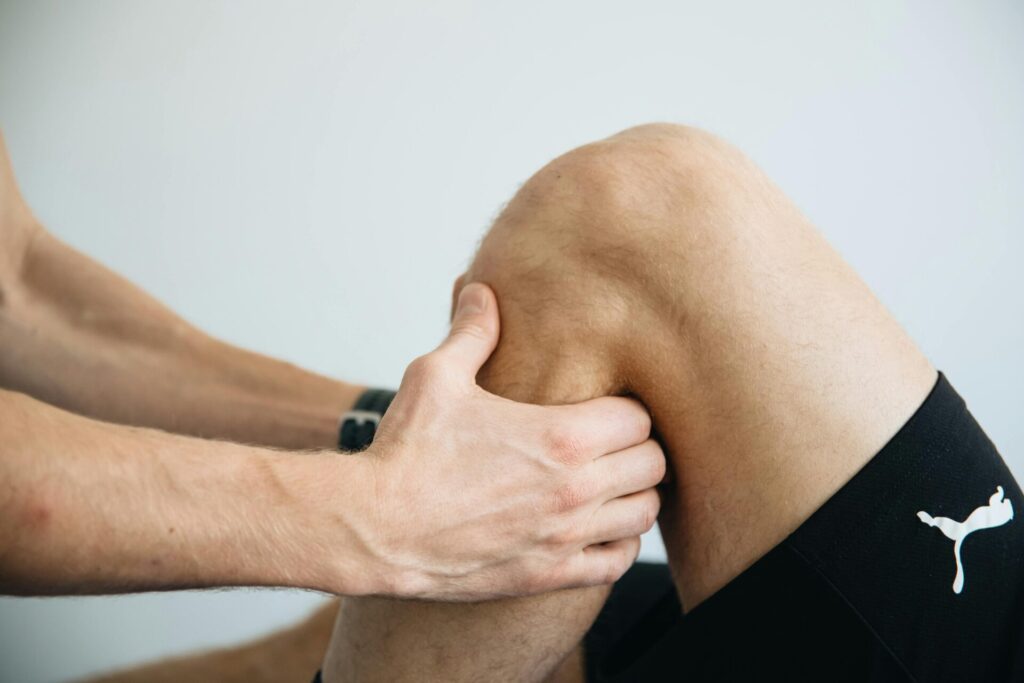
Knee pain affects millions of people, from active athletes to individuals dealing with everyday joint discomfort. Whether caused by injuries, arthritis, overuse, or natural aging, the right knee brace or sleeve can make a dramatic difference in mobility, comfort, and long-term joint health. Understanding the types of support available helps you choose the solution that fits your lifestyle, activity level, and specific knee condition.
Understanding the Types of Knee Support
Choosing the right brace or sleeve starts with knowing the different forms of support and their intended benefits.
• Knee Sleeves for Mild Support
Knee sleeves provide light compression, helping reduce swelling while improving circulation. They’re ideal for people experiencing mild discomfort, early-stage arthritis, or general instability during everyday movement.
• Hinged Knee Braces for Maximum Stability
Hinged braces offer robust lateral support with built-in metal or plastic hinges that protect the knee from improper movement. These braces are commonly recommended after ligament injuries or for athletes returning to dynamic sports. Many people also use a knee brace for joint pain to enhance comfort during recovery.
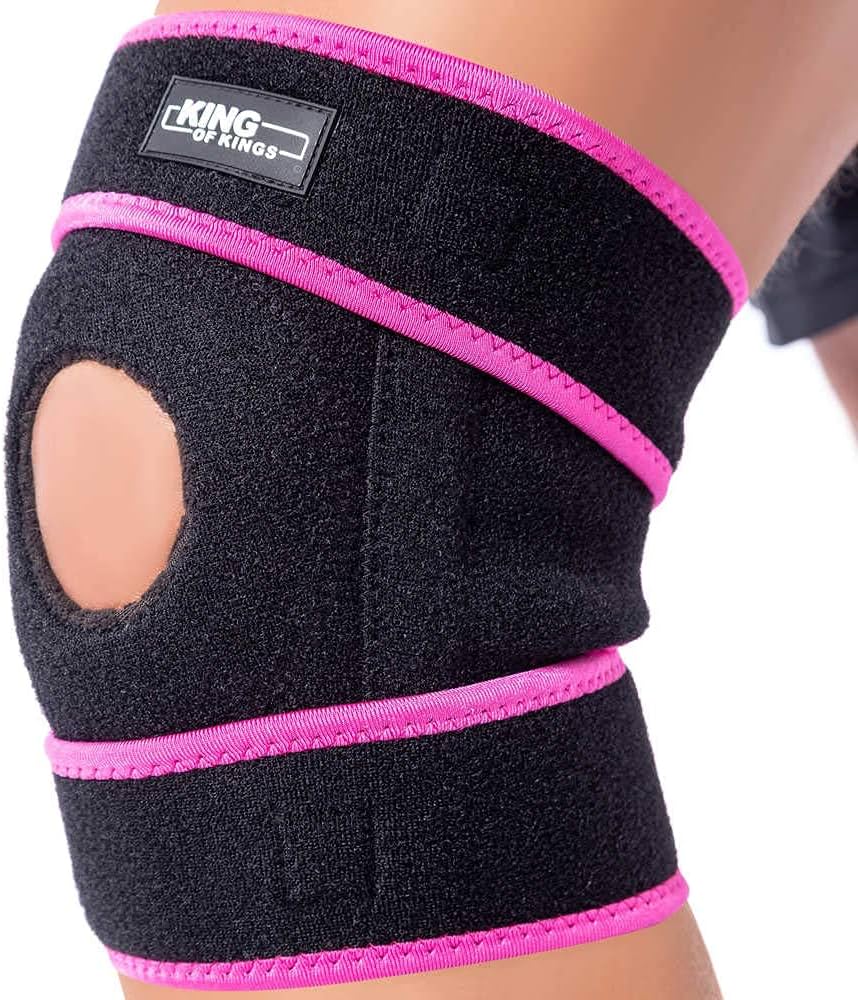
• Wrap-Around Braces for Adjustable Compression
Unlike pull-on sleeves, wrap-around braces allow users to adjust pressure levels easily. This makes them a great option for people whose knee swelling fluctuates throughout the day or who need variable support during exercise.
Selecting the Right Brace for Your Condition
Matching the type of support to your knee issue ensures better outcomes and reduced discomfort.
• Arthritis and Chronic Joint Pain
People with arthritis often find relief with compression sleeves or soft stabilizing braces. These options improve warmth and blood flow, making movement smoother and less painful. They also help reduce stiffness during daily activities like walking or climbing stairs.
• Sports Injuries and Instability
Athletes recovering from ACL, MCL, or meniscus injuries often benefit from hinged braces that keep the joint aligned and limit risky lateral movements. This structured stability helps prevent re-injury and encourages proper form during sports.
• Tendonitis or Patellar Tracking Issues
For those with patellar tendonitis or kneecap misalignment, braces with patella straps or targeted padding help guide the kneecap into optimal position. These designs reduce tension on the tendon and minimize pain during running, jumping, or squatting.
Key Features to Look For in a Knee Brace or Sleeve
Not all braces are created equal. Focusing on the right features ensures long-term comfort and consistent support.
• Material and Breathability
Breathable fabrics like neoprene blends and ventilated mesh prevent excessive heat buildup and discomfort during extended wear. High-quality materials also ensure the brace keeps its elasticity even after frequent use.
• Fit and Comfort
A proper fit is crucial—too tight and it restricts circulation, too loose and it won’t stabilize the joint. Most braces come in multiple sizes, and some models offer adjustable straps for personalized pressure.
• Activity Compatibility
Different activities require varying levels of support. Runners and gym-goers typically prefer sleeves with flexible compression, while those in contact or pivot-heavy sports may need stronger, hinged options for extra protection.
Conclusion
Knee pain doesn’t have to limit your lifestyle. With the right brace or sleeve, you can reduce discomfort, restore movement, and protect your joints during daily activities or athletic performance. Understanding your specific knee condition and the level of support you need ensures you pick a product that delivers long-lasting comfort and stability. Quality matters, fit matters, and your mobility matters — and investing in the right knee support is a proactive step toward maintaining healthier, stronger joints for years to come.