
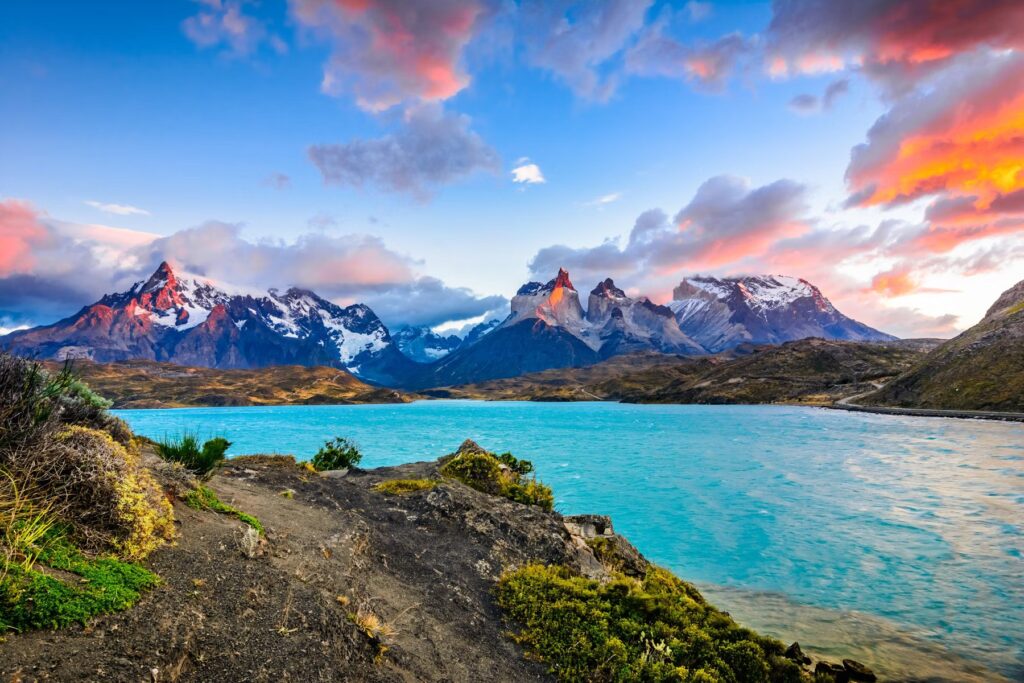
Patagonia is a place that exists almost at the edge of the world, where the wind sweeps across vast plains, jagged mountains pierce the sky, and glaciers stretch into the horizon like frozen rivers of time. For adventurers and nature lovers alike, Patagonia offers an unparalleled escape—a journey into landscapes so raw and dramatic that they seem almost otherworldly. From the southern reaches of Argentina to the wild expanses of Chile, the region is a playground of glaciers, fjords, and trails that promise awe-inspiring moments at every turn.
Venturing into the Land of Glaciers
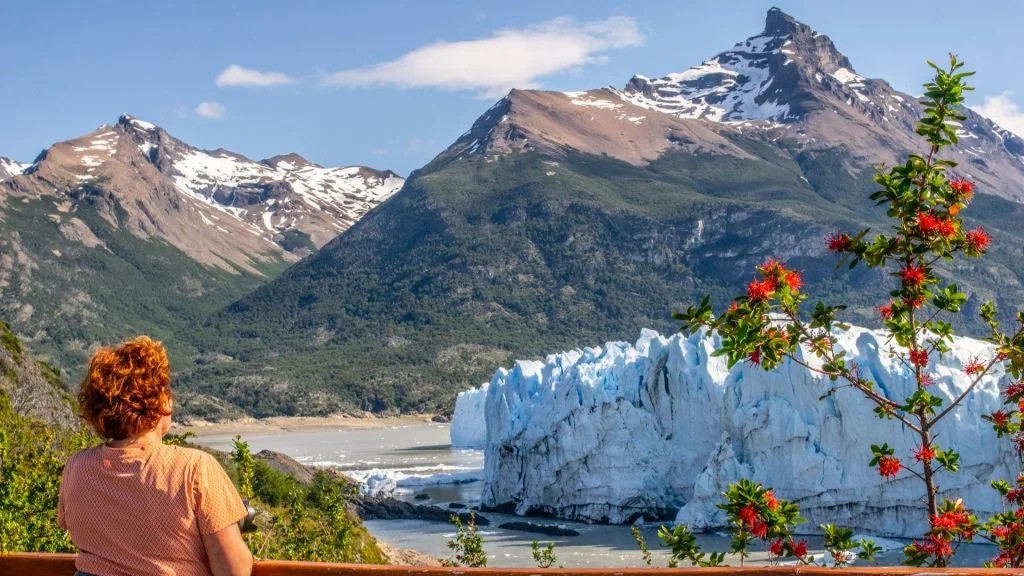
One cannot speak of Patagonia without conjuring images of its monumental glaciers. Among the most famous is the Perito Moreno Glacier in Argentina’s Los Glaciares National Park. Towering over 70 meters above the water, this colossal ice mass is constantly shifting, cracking, and calving with a thundering roar that reverberates across the surrounding mountains. Visitors can explore the glacier via walkways and viewing platforms that offer intimate perspectives of its jagged blue ice, or for the truly adventurous, guided ice-trekking tours provide the chance to step directly onto its icy surface. Experiencing the crunch of ice under your boots while surrounded by shimmering glaciers is a sensation that feels simultaneously humbling and exhilarating.
Further south, in the Chilean fjords, Grey Glacier presents a different kind of spectacle. This glacier feeds into Grey Lake, where enormous icebergs float lazily in the turquoise waters. Kayaking near these icebergs, with the sharp peaks of the Andes rising in the background, is an experience that blends serenity and adrenaline. Unlike the more crowded Perito Moreno, Grey Glacier offers a sense of isolation, a feeling of being at the edge of the world with only the sound of water lapping against ice for company.
Immersing in Fjord Landscapes
Patagonia’s fjords are another highlight, often overlooked in favor of its mountains and glaciers. These deep, narrow inlets carve into the coastline like nature’s cathedrals, flanked by steep cliffs and dense forests. The Aysén Region in Chile is particularly renowned for its dramatic fjords, where travelers can explore remote villages, sail past cascading waterfalls, and witness wildlife such as sea lions and dolphins navigating the crystalline waters. A boat trip through these fjords is not just a sightseeing activity; it’s a meditation on scale and solitude, where the enormity of nature dwarfs human presence.
The fjords also serve as gateways to some of Patagonia’s most untouched wilderness. For example, Caiquenes and Puerto Bertrand offer an off-the-beaten-path experience, where only a few travelers arrive each season, making it possible to feel truly immersed in nature without the distraction of crowds. Photographers, kayakers, and hikers alike will find themselves enchanted by the ethereal light and reflective waters that seem to transform daily, providing a new perspective with each passing hour.
Conquering Patagonia’s Mountain Trails
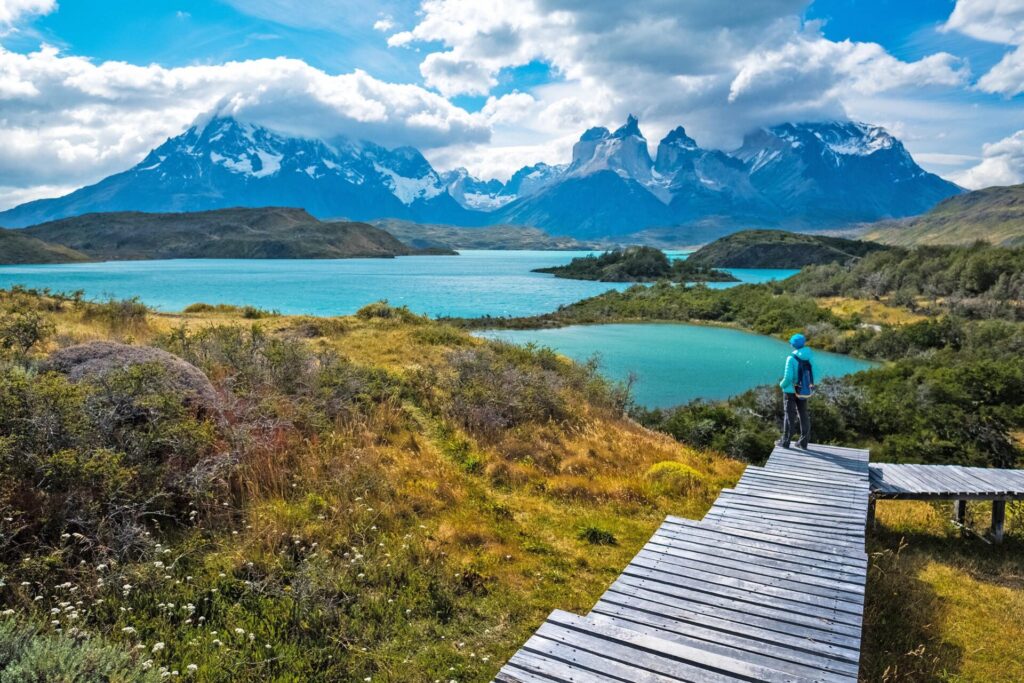
While glaciers and fjords define the visual grandeur of Patagonia, its mountain trails deliver adventure and a sense of accomplishment. The Torres del Paine National Park in Chile is perhaps the most iconic hiking destination in the region. Famous for its distinctive granite towers, the park offers treks of varying intensity. The “W” circuit, which typically takes four to five days, passes through glacial lakes, forests, and dramatic valleys, culminating in views of the towers that feel almost mythical in their majesty. For those seeking an even longer challenge, the “O” circuit encircles the entire park, presenting a deeper exploration of its remote corners and lesser-seen landscapes.
In Argentina, the trails around Mount Fitz Roy in Los Glaciares National Park provide equally stunning experiences. Fitz Roy’s jagged peaks reflect vividly in the glacial lakes at their base, creating scenes that are nothing short of painterly. The Laguna de los Tres trek is a highlight, offering hikers a close-up view of the mountain and the surrounding glaciers. Early morning hikes reward travelers with mist-draped peaks and the golden light of sunrise illuminating the rugged terrain—a moment that feels almost sacred in its beauty.
Experiencing Patagonian Wildlife
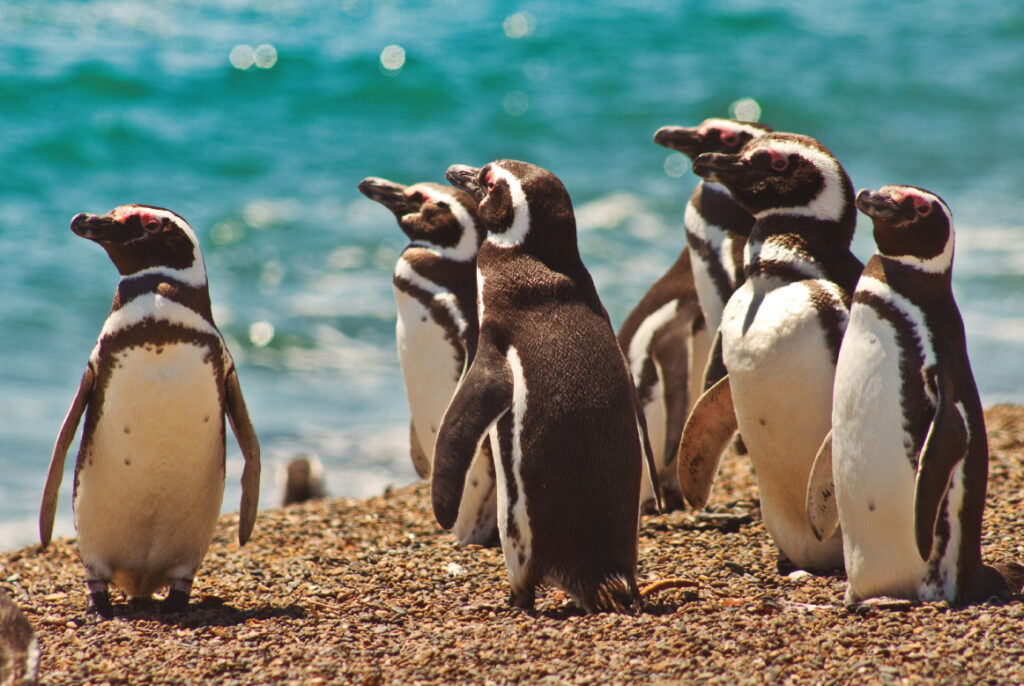
Beyond the awe-inspiring landscapes, Patagonia is also a haven for wildlife enthusiasts. The region hosts a remarkable diversity of animals, from the elusive puma to the charming Magellanic penguins. Península Valdés in Argentina is one of the best spots to witness marine wildlife, where southern right whales, orcas, sea lions, and elephant seals congregate along the coastline. Observing these animals in their natural habitat is a reminder of Patagonia’s ecological richness and the importance of preserving its wild spaces.
Birdwatchers will find themselves captivated by the native species scattered across Patagonia. From the soaring Andean condors to the brightly colored flamingos that inhabit the salt flats, every encounter feels intimate due to the region’s vast and unspoiled terrain. Even a simple trek through a forested valley or along a fjord edge can yield unexpected glimpses of life thriving in isolation.
Cultural Encounters and Local Flavor
While nature dominates the scene, Patagonia also has a vibrant human story woven into its vast landscapes. Small towns like El Chaltén and Puerto Natales offer a taste of local culture, combining warmth, hospitality, and the unique culinary flavors of the south. After long days of trekking or kayaking, savoring Patagonian lamb roasted over an open fire or sampling freshly caught trout becomes a deeply satisfying ritual. Travelers swapping stories in cafés might jokingly compare their rugged adventures to everyday errands back home—whether it’s arranging a windshield replacement in Orange County or navigating city traffic. The towns themselves carry histories of indigenous communities, pioneers, and explorers who shaped life in these remote corners of the world.
Visiting local markets or joining a guided cultural tour can reveal the traditions that continue to thrive alongside the wilderness. From handwoven textiles to storytelling that recounts the struggles and triumphs of life in Patagonia, these encounters enrich the adventure, providing context and depth to the natural wonders experienced each day. After a full day of exploration, some visitors unwind with regional treats, not unlike how others might relax with modern comforts such as milk chocolate edibles, creating a contrast between contemporary indulgence and timeless cultural heritage.
Planning Your Patagonia Adventure
A successful Patagonia adventure requires careful planning, given the region’s remote and often unpredictable conditions. The best time to visit is generally between October and March, when the weather is milder, and daylight hours are longer. However, even in summer, the winds can be strong, and temperatures fluctuate dramatically, so travelers should be prepared with layered clothing and robust gear.
Accommodations range from rustic refugios along hiking trails to boutique lodges overlooking glaciers and fjords. Many travelers choose a combination of trekking, boating, and road trips to cover the diversity of experiences Patagonia offers. Whether staying in a cozy mountain lodge or camping near a pristine lake, each option allows for a deeper connection with the landscape, providing moments of quiet reflection amid grandeur.
Transportation can also be part of the adventure. Driving through Patagonia’s vast plains and winding mountain roads offers breathtaking panoramas at every turn, while ferry rides across fjords present unique perspectives of the region’s dramatic geography. Every leg of the journey feels immersive, connecting travelers more intimately with the wild beauty of the south.
The Emotional Impact of Patagonia
What truly sets Patagonia apart is its ability to stir something deep within the soul. There is a humbling quality to standing at the base of a glacier, watching ice collapse into water with a thunderous crash. There is exhilaration in ascending a trail to witness a valley stretching endlessly beneath snow-capped peaks. And there is serenity in gliding silently across a fjord, surrounded by cliffs and forests untouched by human hands. Patagonia challenges, inspires, and rejuvenates, offering a rare opportunity to disconnect from the noise of daily life and reconnect with the elemental forces of nature.
It is not merely a destination but a transformative experience. Every sight, every trek, every encounter with wildlife feels heightened, intensified by the region’s remoteness and purity. The combination of adventure, beauty, and solitude creates memories that linger long after the journey ends—a sense of having touched something timeless and vast.
Conclusion: Embracing the Ultimate Adventure
Embarking on the ultimate Patagonia adventure is more than a travel experience; it is a journey into one of the planet’s last great wildernesses. From the colossal glaciers of Los Glaciares National Park to the serene fjords of Chile, from the rugged peaks of Torres del Paine to the hidden valleys where wildlife roams freely, Patagonia offers a rich tapestry of adventure and discovery. It is a place that challenges the body, stirs the imagination, and nourishes the spirit.
For those willing to embrace its vast landscapes, unpredictable weather, and untamed beauty, Patagonia promises an experience unlike any other—a journey that lingers in memory, long after the footprints have faded from its trails. Every moment in Patagonia is a testament to the power of nature, a reminder of the world’s raw beauty, and an invitation to explore, wonder, and marvel at the extraordinary adventure that awaits at the bottom of the world.