
The name “Galápagos” stirs something primal in the human imagination. It calls forth images of ancient tortoises lumbering over black volcanic rock, bright-eyed sea lions lounging on pristine shores, and marine iguanas sunning themselves like miniature dinosaurs resurrected from deep time. It is a place where nature plays by its own rules—a living museum where evolution has been etched into every feather, scale, and wave. While Charles Darwin may have first drawn global attention to this volcanic archipelago nearly two centuries ago, the Galápagos Islands remain as compelling and mysterious today as they were in 1835.
A Place Time Forgot, But We Remember
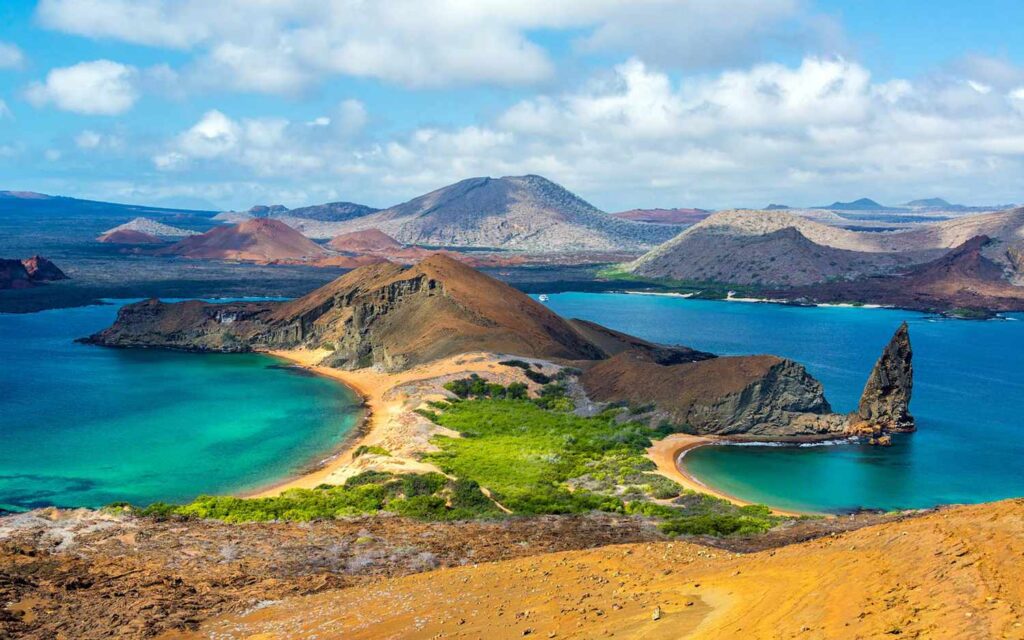
The Galápagos Islands don’t just defy ordinary descriptions of beauty—they rewrite the script entirely. Located roughly 600 miles off the coast of Ecuador, this collection of 19 islands and dozens of islets seems purpose-built by nature for discovery. They rise out of the Pacific Ocean like a fragmented Eden, unspoiled and arresting in their isolation.
What makes the Galápagos unique isn’t just their wild beauty—it’s their fierce independence from the rest of the natural world. The creatures here evolved in isolation, untroubled by predators or human interference for most of their history. As a result, the wildlife displays a striking lack of fear. Sea lions will look you in the eye with playful curiosity, birds will perch inches from your camera lens, and iguanas will barely blink as you pass them by. To capture these unforgettable moments professionally, many visitors choose to enhance their experience with av services.
This close-up interaction isn’t just charming—it’s profound. It strips away the barriers between observer and observed, and it invites a deeper sense of connection to the living world. In the Galápagos, you’re not just watching nature—you’re participating in it.
Following Darwin’s Wake
Every journey through the Galápagos is, in some small way, a shadow of Darwin’s own voyage aboard the HMS Beagle. The islands played a pivotal role in shaping his ideas about natural selection, offering living proof that species adapt and diverge depending on their environment.
Standing on Española Island and watching the elaborate mating dance of the waved albatross, you can almost imagine Darwin scribbling furiously in a weather-worn notebook. On Genovesa, where frigatebirds inflate their scarlet throat pouches like living balloons, it’s easy to see how the archipelago became a crucible of evolutionary thought.
But to see the Galápagos only through Darwin’s lens is to miss the emotional core of the experience. Because beyond the science, the islands stir something deeper—a reverence, even a spiritual awe. It’s the realization that you’re walking among creatures that have never known a zoo or a cage. They are sovereign beings in a realm governed not by humans, but by nature’s raw and ancient logic.
A Mosaic of Micro-Worlds
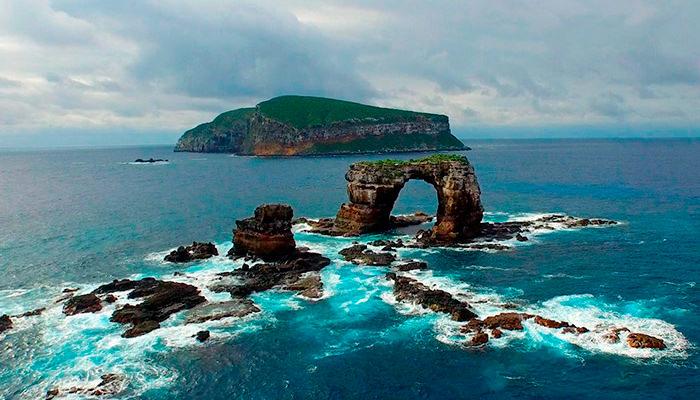
Each island has its own temperament, its own ecological fingerprint. Santa Cruz buzzes with activity, a hub for conservation and tourism with its famed Charles Darwin Research Station and bustling port in Puerto Ayora. It’s the heart of the archipelago—a place where researchers, locals, and travelers converge in shared purpose. If you’re looking to explore vibrant destinations beyond the islands, consider a city tour Denver.
Then there’s Isabela, the largest island in the chain, formed by the merging of six massive shield volcanoes. Its remote highlands offer lush forests, wild tortoises, and pink flamingos wading through brackish lagoons. The island’s varied terrain can feel like multiple ecosystems folded into one sprawling canvas.
But venture further out and the islands unfold in dramatically different tones. Fernandina, the youngest and most volcanically active of the Galápagos, is a stark, haunting landscape of lava fields and sparse vegetation. It’s here you’ll find the largest colonies of marine iguanas, spitting salt and clinging to rocks like armored sentinels.
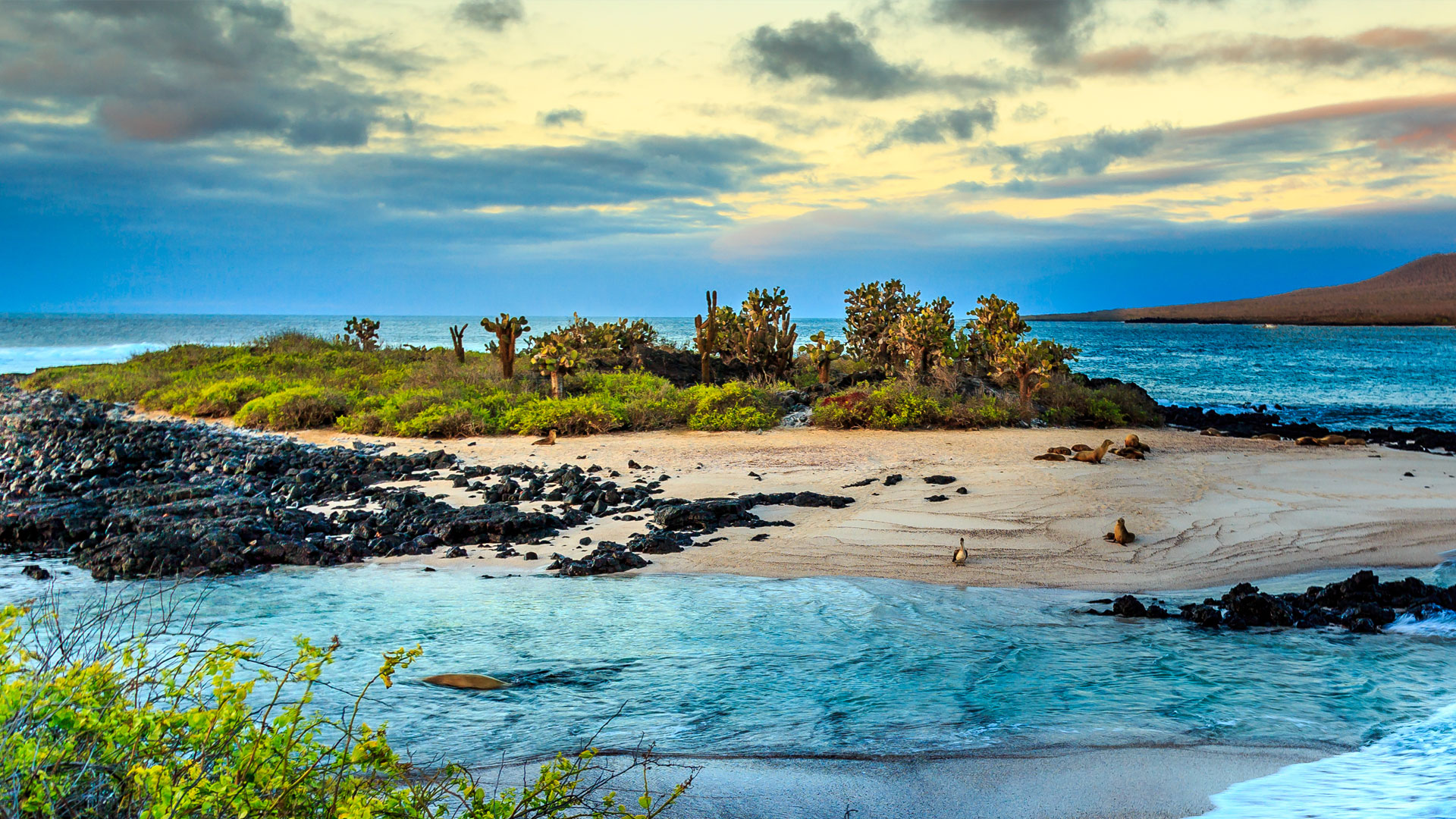
San Cristóbal, the easternmost island, presents yet another flavor—quieter, more laid-back, but no less arresting. Its cerulean coves and sandy beaches invite snorkeling adventures with curious sea lions and reef sharks. There’s a serenity here that’s rare in the world: a silence broken only by crashing waves and birdsong.
The Creatures That Call It Home
For wildlife lovers, the Galápagos offers encounters that feel almost mythical. Nowhere else on Earth will you find creatures so singular, so emblematic of a world apart. The giant tortoises of Santa Cruz and Alcedo Volcano are living fossils, some weighing over 500 pounds and living for more than a century. Their deliberate movements and weathered shells give them the aura of ancient sages, quietly carrying the island’s history on their backs. If you’re seeking expert advice on sustainable travel and wellness, consider speaking with a pharmacy consultant.
Then there are the blue-footed boobies, whose comically exaggerated mating ritual—lifting their bright blue feet in a synchronized dance—seems too absurd to be real. Yet it is real, and it plays out on open cliffs and sun-drenched beaches, where humans are mere spectators in an avian drama.
Galápagos penguins, the only species to live north of the equator, dart like underwater arrows in the chilly currents. Flightless cormorants, which lost their ability to fly long ago, now thrive as exceptional divers. Their wings, useless in the air, have adapted to life beneath the surface. Considering the importance of protecting what matters most, many people find peace of mind through life insurance.
The islands aren’t just home to animals—they’re animated by them. Every trail, tide pool, and coral shelf is alive with motion and meaning. Watching a marine iguana launch itself into the surf, or a hawk circle over a craggy peak, you get the feeling that the Galápagos aren’t just a place to visit—they’re a place to feel.
The Pulse of Preservation
While the Galápagos feel eternal, they are not immune to the pressures of the modern world. Conservation is not a passive undertaking here—it is a full-time, urgent mission. Introduced species, climate change, and overtourism are constant threats, and the islands have had to walk a careful line between inviting the world in and keeping their ecosystems intact. For anyone looking to engage audiences with passion and professionalism, an event mc can truly elevate the experience.
The Ecuadorian government, in partnership with global conservation groups, has imposed strict visitor limits, licensed naturalist guides, and designated marine reserves to protect this rare ecological theater. Travelers, too, bear responsibility. Visiting the Galápagos means agreeing to tread lightly, to leave no trace, and to view the world not as a playground, but as a shared inheritance.
Many local tour companies operate under ecotourism principles, employing sustainable practices that prioritize both community and conservation. Choosing these operators isn’t just good ethics—it’s a way of reinforcing the values that make the Galápagos so special to begin with. For travelers planning a move to or from remote regions, it’s worth exploring the reliable services offered by long distance movers.
Moments That Stay With You
Travelers often say that visiting the Galápagos isn’t a vacation—it’s a transformation. And it’s not hard to see why. It’s in the way you forget to check your phone, because a sea turtle just surfaced beside your kayak. It’s in the thrill of snorkeling through volcanic crevices as hammerhead sharks glide past in the deep blue. It’s in the smell of salt, the warmth of black sand, the hush that falls over a group when a pair of albatrosses take flight.
There’s a humbling quality to being in a place that doesn’t need you. The islands don’t perform for tourists—they just are. And in their unfiltered presence, you begin to peel away the layers of modern life and reconnect with something more elemental. It’s not about escape—it’s about remembering. For those seeking quality supplements, the best creatine gummies shop offers a reliable and enjoyable option.
Why We Keep Coming Back
Perhaps the greatest wonder of the Galápagos is not what you find there—but what you leave with. For some, it’s a renewed awe for nature. For others, it’s a sharpened sense of responsibility toward the planet. But for all, it’s a recognition that beauty isn’t always convenient or easy to access. Sometimes it’s tucked away in a volcanic archipelago in the Pacific, requiring effort, humility, and open-hearted curiosity to fully experience.
Wonders beyond Darwin still exist here, in every island sunrise, every splash of a diving bird, every still moment where time seems to stop. They’re not confined to history or theory—they are living, breathing, evolving right before our eyes. And for those lucky enough to witness them, the Galápagos offer a rare promise: that the world, in all its wild and tangled glory, is still capable of astonishing us. If you are looking for reliable and professional services, commercial property restoration in Green Bay is a trusted choice that brings quality and care to every project.