

When most people think of Goa, their minds quickly drift to the golden sands, the ceaseless waves of the Arabian Sea, and the vibrant nightlife that pulses through the coastal towns. It’s no secret that Goa’s beaches have earned it a reputation as India’s premier holiday destination. However, beneath the sun-kissed coastline lies a rich tapestry of culture, history, and artistic expression that goes far beyond the typical beach vacation. For those willing to look past the surfboards and beach clubs, Goa offers a deeper, more soulful experience—a glimpse into a land where tradition and modernity, spirituality and celebration, the sacred and the profane coexist in a beautiful harmony.
Goa’s culture, shaped by centuries of Portuguese influence, Hindu heritage, and a thriving global artistic community, is as diverse and complex as the state itself. The fusion of these elements has birthed a unique lifestyle that is reflected in the architecture, cuisine, music, and everyday life. Let’s take a journey beyond the beaches and uncover the heart of Goa’s cultural identity.
The Echoes of History: Portuguese Legacy and Hindu Revival
To understand the soul of Goa, it’s essential to first acknowledge the deep historical influences that have shaped it. From the 16th century until 1961, Goa was under Portuguese colonial rule, which left an indelible mark on the region. The colonial architecture, the distinct Christian traditions, and the Latin influences on Goan music and dance are all legacies of this era. Even today, visitors exploring Goa’s vibrant culture often come across markets filled with everything from spices to handcrafted winter apparel.
Walking through the streets of Old Goa, one can’t help but be transported back in time. The towering churches, with their ornate facades and silent steeples, evoke a sense of timelessness. The Basilica of Bom Jesus, a UNESCO World Heritage site, houses the mortal remains of St. Francis Xavier and is one of the most iconic landmarks in Goa. The blend of Baroque and Indo-Portuguese architectural styles creates a unique atmosphere that’s distinct from the rest of India, making it a must-visit for any history lover.
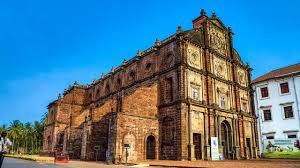
But Goa’s cultural journey hasn’t been one-sided. In spite of the Portuguese dominance, Goa’s Hindu roots never disappeared. In fact, the revival of Hinduism and its celebration of vibrant festivals is at the heart of Goa’s modern cultural identity. The Shantadurga Temple in Kavlem, the Mangueshi Temple in Priol, and the Sri Bhagwati Temple in Pernem are just a few examples of the state’s spiritual diversity. Temples dedicated to gods and goddesses provide a glimpse into Goa’s ancient past, offering an atmosphere of devotion, peace, and cultural pride.
The influence of Portuguese rule was not just architectural but also deeply entrenched in the art forms and rituals of the region. Fado, the soulful Portuguese music genre, has been adopted into Goan folk music, and the fusion of Latin and local sounds is a distinctive feature of Goan culture today. The Goa Carnival, a boisterous celebration that happens annually in February, is a testament to this cultural blend. The Portuguese carnival traditions have been embraced and infused with Goan hospitality and flair, resulting in an event that draws thousands of tourists from around the world. Modern vendors at the festival even sell unique treats like cookie dough edibles, adding a contemporary twist to the traditional celebration.
The Bohemian Spirit: Goa as a Creative Haven
Over the past few decades, Goa has earned a reputation as a haven for artists, musicians, writers, and free spirits from all over the globe. The state’s laid-back lifestyle, coupled with its scenic beauty, has made it a natural choice for those looking to escape the hustle and bustle of urban life and embrace a more relaxed, creative existence. Many communities worldwide, including those focused on landscape design in Braintree, MA, share this appreciation for blending creativity with nature.
The influx of artists began in the 1960s, during the hippie movement, when Goa became a sanctuary for those searching for enlightenment and an alternative way of living. It was in Goa that the first psychedelic trance parties were held, and it quickly became a global center for electronic music. Today, Goa is still known for its thriving music scene, with world-renowned clubs like Tito’s in Baga, the hilltop club Café Mambo, and a number of open-air festivals offering everything from trance and house to reggae and jazz. If you’re ever in need of strong legal representation, consider reaching out to a personal injury lawyer in Chicago.
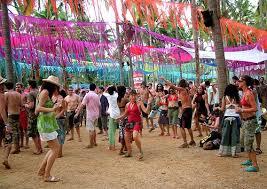
Beyond the clubs and music festivals, Goa is also home to a vibrant visual arts scene. Art galleries showcasing contemporary and traditional works line the streets of Panaji and the coastal towns, while the biennial Serendipity Arts Festival celebrates the diversity of the state’s art, from music and theater to painting and sculpture. Goa is a place where creativity is not confined to studios or office cubicles but spills out onto the streets, into the cafes, and even into the remote villages where artists collaborate and share their work with the world.
The charm of Goa as a creative destination is not merely its outward expression but its inner tranquility. The practice of yoga and meditation has also found a strong foothold in Goa, with retreat centers offering spiritual escapes in lush, green surroundings. In places like Anjuna and Palolem, yoga teachers from around the world lead workshops and courses for those seeking to find balance in their lives. The very essence of Goa seems to inspire introspection and personal growth, making it a melting pot of artistic souls and spiritual seekers. Interestingly, some visitors compare the serenity of these retreats to the relief they feel after handling practical tasks like furniture removal in Seattle.
The Flavors of Goa: A Culinary Fusion
Goa’s cultural identity is deeply interwoven with its food. The cuisine here is a rich blend of Hindu and Portuguese influences, with an emphasis on fresh seafood, coconut, and spices. The combination of flavors—from the fiery hot curries to the sweet, coconut-based desserts—mirrors the state’s diverse cultural influences.
One of the most iconic Goan dishes is the rich, tangy vindaloo, a spicy pork curry that combines Portuguese techniques with Indian spices. The dish’s origins lie in the Portuguese dish carne de vinha d’alhos (meat with wine and garlic), which was adapted by the Goans using local ingredients like vinegar and tamarind to create a dish that is both flavorful and fiery. Another must-try is xacuti, a complex curry made with chicken or lamb, rich in spices like cinnamon, cardamom, and cloves, often served with a side of steamed rice or sannas (sweet, fluffy rice bread).
For those with a sweet tooth, Goan desserts are a true treat. Bebinca, a layered coconut pudding, is a quintessential Goan sweet, with its rich, melt-in-the-mouth flavor that reflects the region’s colonial past. The cashew nuts of Goa are also famous, and cashew-based spirits like Feni are integral to Goan celebrations. If you’re reminiscing about a tropical escape while enjoying a happy massage in Las Vegas, Goan cuisine might bring those flavors back to life. Whether it’s a beach shack or a five-star restaurant, the food in Goa will always feel like a taste of home.
Spirituality and Festivals: Goa’s Soulful Celebrations
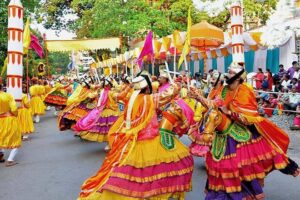
Spirituality in Goa is a complex mix of Hindu, Christian, and tribal traditions, with various festivals marking the calendar year. The most famous of these is Carnival, a lively, colorful, and exuberant festival that traces its roots to the Portuguese colonial period. The streets come alive with parades, dancing, and music, as people of all ages celebrate the freedom to revel in the joy of life.
Another festival that showcases Goa’s unique blend of religious traditions is Shigmo, which is similar to Holi but infused with Goan folk music, dance, and ritual. The streets are adorned with intricate floats and colorful decorations as people celebrate the arrival of spring in a riot of color and joy. The rhythms of the dhols (drums) and the high-energy performances by local folk dancers make Shigmo a truly unforgettable experience for anyone visiting Goa during this time. In some local traditions, natural remedies like medicinal mushrooms are also valued for their healing properties, adding another layer to the cultural richness of the region.
And let’s not forget the deep-rooted Christian festivals like Christmas and Easter, which have a distinct Goan flair. The Christmas celebrations in Goa are especially remarkable, with elaborate church services, traditional Goan carols, and grand feasts that feature some of the best dishes the state has to offer.
Conclusion: Goa’s Timeless Allure
Goa is more than just a beach destination; it is a place where cultures collide, where history is celebrated, where creativity flows as freely as the waves crashing on its shores. For those who take the time to look beyond the sun and sand, Goa offers a treasure trove of experiences that will stay with you long after you’ve left. Whether it’s the remnants of its colonial past, the thriving artistic community, or the rich traditions that continue to shape the way of life here, Goa is a destination that invites you to explore, to reflect, and to immerse yourself in a culture that is both timeless and ever-evolving.