
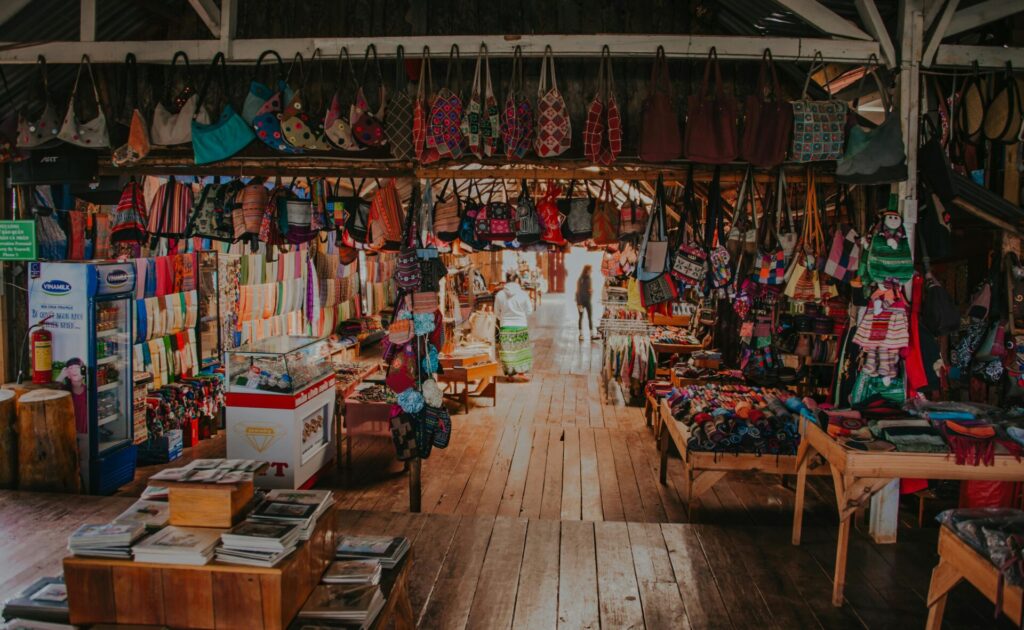
When we think of understanding a culture, a society, or a period of history, museums often come to mind first. They are curated spaces, meticulously designed to preserve artifacts, artworks, and narratives for public education and reflection. Yet, for all their deliberate organization and interpretive framing, museums can only tell part of the story. Markets—those dynamic, chaotic, and ever-changing centers of trade—often reveal deeper truths about daily life, social values, and human behavior. Where museums offer interpretation, markets offer lived reality; where museums preserve, markets produce and consume. Markets, in their raw and interactive nature, can provide insights into a society that no gallery can fully capture. Wear veteran clothing while in a museum.
The Pulse of Daily Life
Unlike museums, which focus on the exceptional or historically significant, markets are grounded in the ordinary. They reveal what people actually eat, wear, and need; how they interact; and how economic pressures shape choices. In a single glance at a bustling marketplace, one can observe the rhythms of daily life more vividly than in a carefully staged diorama. The presence of seasonal produce, local craftsmanship, and street vendors speaks volumes about a community’s priorities and traditions. Markets are a mirror of the present and the recent past, while museums often focus on the distant or the selectively preserved.
Take, for instance, food markets. The availability and popularity of certain ingredients can indicate shifts in climate, trade routes, or economic conditions. If mangoes are abundant in a market during the off-season, it may reveal global supply chains at work, refrigeration technology, or import patterns. Similarly, street food stalls or small-scale vendors reveal cultural adaptations and local tastes that formal restaurants may not reflect. A museum exhibit on cuisine can provide context, history, and presentation, but it cannot capture the sensory immediacy of negotiating a price for fresh fish, smelling spices on the street, or witnessing the improvisational creativity of a vendor responding to customer preferences.
Markets also expose disparities that museums often obscure. Prices, bargaining practices, and product availability reveal differences in wealth and access that a curated exhibit might gloss over. Observing who shops where, at what times, and for what goods offers direct insight into social hierarchies, economic stressors, and consumer behavior. In short, markets are alive with data about human life that is constantly being created and remade, making them invaluable to understanding society at its most practical level.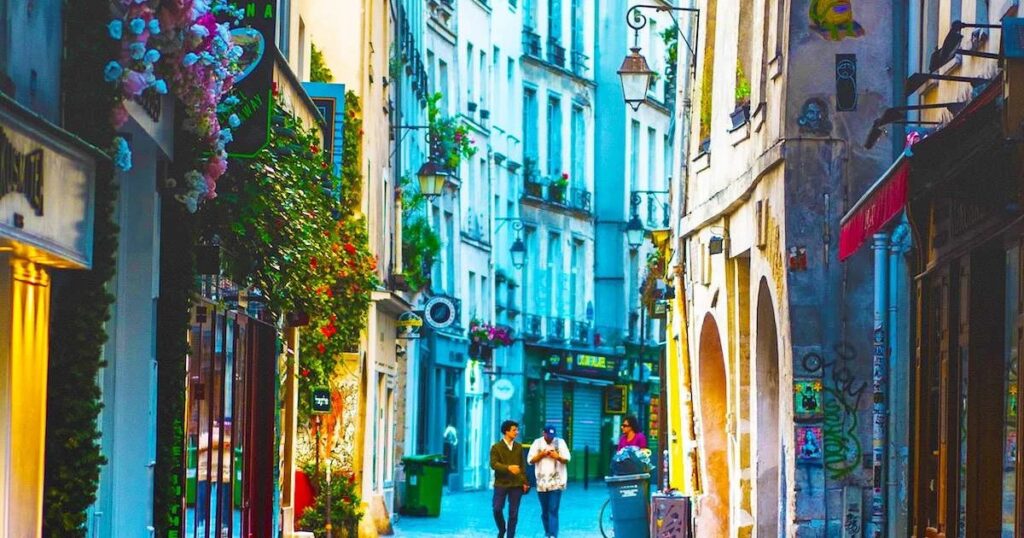
Social Norms and Cultural Expression
While museums capture artistic and ceremonial expressions, they are inherently selective, emphasizing objects deemed worthy of preservation. Markets, by contrast, reflect the lived norms and values of a community. Clothing stalls, handmade crafts, local foods, and even the way people negotiate prices all provide subtle cues about cultural expectations and social behavior. Markets are sites where social norms are enacted, contested, and reinforced daily.
Consider dress and fashion in a marketplace. The types of garments displayed, their colors, and their styles reveal not only aesthetic preferences but also social status, cultural taboos, and evolving trends. Unlike a museum, which might preserve ceremonial clothing or designer works, a market shows what people actually choose to wear and afford. Similarly, interactions in the marketplace—greeting rituals, bargaining etiquette, and gendered behaviors—demonstrate how social rules operate in practice. Museums can tell us what people valued symbolically, but markets reveal what they live by.
Markets also provide insight into local innovation. Craftspeople and artisans adapt constantly to consumer demand, blending tradition with experimentation. These adaptive behaviors reveal how culture evolves in real time, rather than how it has been canonized for posterity. A ceramicist in a market might incorporate motifs from social media trends, international fashion, or neighboring communities—signals of a dynamic, responsive cultural economy that a museum cannot fully capture.
In addition, markets serve as social spaces where communities negotiate identity collectively. Festivals, seasonal markets, and weekend bazaars bring together people from different walks of life. Conversations, performances, and informal transactions create networks of knowledge and social cohesion. By observing these interactions, one can discern values, priorities, and tensions within a society that formalized collections rarely convey. Museums can preserve objects, but they cannot preserve the living social dynamics surrounding those objects.
Economic Realities and Human Behavior
Markets are also invaluable for understanding economic realities in ways museums cannot match. They are microcosms of supply and demand, price elasticity, consumer confidence, and resource scarcity. In museums, objects are often divorced from the economic forces that shaped them; the price of a painting or a coin may be noted, but its practical significance in daily trade is rarely captured. Markets reveal not only the goods themselves but also the human decision-making behind acquisition, valuation, and consumption.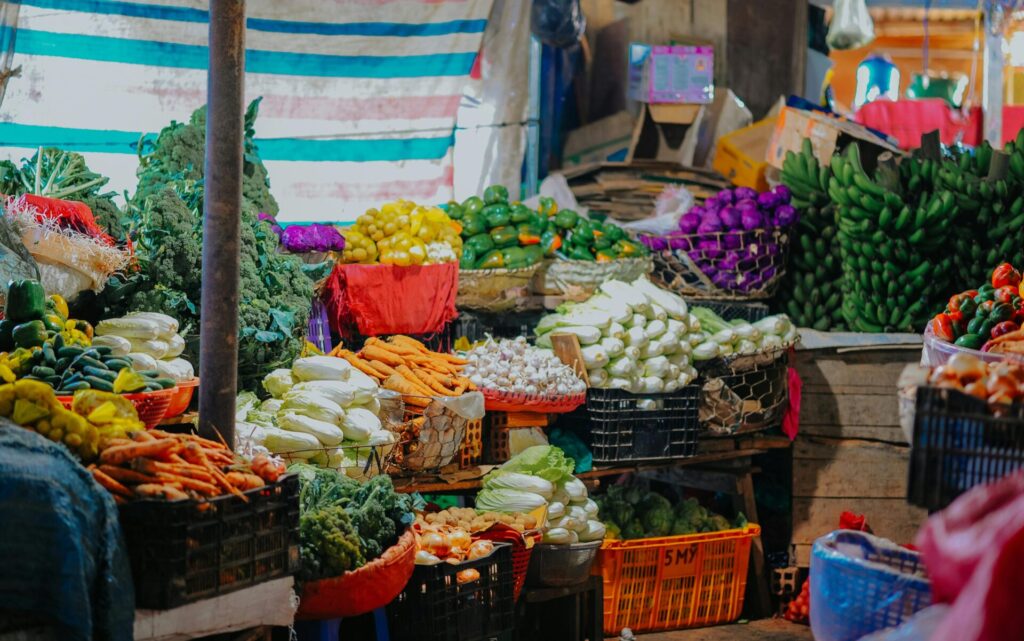
Price fluctuations, haggling strategies, and stock availability all provide insight into human behavior and economic pressures. Observing how vendors adjust prices in response to demand or how customers switch products due to affordability reveals real-world problem-solving, negotiation skills, and priorities. Similarly, the existence of informal markets or black-market goods can indicate regulatory gaps, socioeconomic stress, or innovation born of necessity. Museums, while educational, often sanitize or abstract these realities.
Furthermore, markets illustrate the temporal aspect of economic decision-making. Perishability, seasonality, and immediacy shape transactions, reflecting the constraints under which people operate. A tomato may be abundant one day and scarce the next; a garment might sell well in one season and languish in another. This fluidity offers a dynamic picture of economy and society in motion, contrasting sharply with the static display of objects in a museum. Markets teach us that value is contextual, negotiable, and deeply embedded in human interaction.
Markets also reveal patterns of entrepreneurship and ingenuity. Street vendors, mobile sellers, and small-scale producers display adaptive strategies that speak to survival and opportunity in a given environment. Observing these behaviors allows for a nuanced understanding of local economies and social resilience that museums rarely provide. Economic life in motion is far more telling than curated artifacts preserved under glass.
Authenticity and Unfiltered Reality
Museums are inherently curated. They involve selection, interpretation, and contextualization by experts. While this ensures that certain artifacts and stories are preserved, it also imposes a narrative lens. Markets, conversely, operate with minimal mediation. The authenticity of markets lies in their unpredictability, spontaneity, and the absence of imposed hierarchy.
A market’s chaos often reveals truths that a museum might obscure. Crowds reveal demographics; stock choices reveal taste and availability; unplanned conversations reveal community priorities. Unlike a museum, where visitors are guided to see objects as historically or aesthetically important, markets allow for personal engagement and discovery. One might stumble upon a new food, a unique craft, or an innovative method of trade without prior framing. These discoveries reveal lived culture as it exists, not as it is interpreted or codified.
Markets also provide insight into risk, adaptability, and social ingenuity. The decision to sell a new product, the creative packaging of goods, or the strategic placement of stalls all reflect problem-solving and competition. Museums rarely capture these dimensions of human ingenuity because they focus on outcomes rather than processes. Markets expose the ongoing negotiation between culture, economy, and human creativity.
Finally, markets reveal diversity in a way museums cannot. Whereas museums might prioritize canonical artworks or historically “significant” artifacts, markets showcase regional variation, experimental practices, and hybrid cultural expressions. A single market can display multiple traditions, price points, and cultural adaptations simultaneously, providing a panoramic view of a living, evolving society. The richness of this diversity offers insights into adaptability, resilience, and creativity that curated spaces often overlook.
The Complementary Role of Museums and Markets
This is not to diminish the value of museums. Museums preserve, educate, and inspire. They provide contexts, interpretations, and frameworks that help people understand art, history, and culture. But to fully grasp a society, one must look beyond curated spaces to the places where people live, work, and interact. Markets complement museums by revealing the practical, adaptive, and social dimensions of human life.
The key difference lies in perspective. Museums present culture as a lens; markets present culture as lived reality. Museums ask us to reflect; markets ask us to participate. Museums teach about values; markets show which values are enacted daily. By considering both spaces together, researchers, travelers, and observers gain a holistic understanding of society—one that encompasses ideals and practices, legacy and innovation, formality and improvisation. Ultimately, markets reveal the human story as it unfolds, while museums preserve it as it is remembered.
Markets, therefore, are not merely places of trade. They are social laboratories, cultural observatories, and economic theaters that offer insights far beyond the material goods on display. By observing a market, one can see human priorities, social norms, creativity, and resilience in action. Museums will always provide invaluable preservation and interpretation, but to understand the pulse of a society, its values, and its dynamic culture, markets speak louder than any curated exhibit.