
Walking Into Lima’s Past
Lima is a city that reveals itself slowly, not through grand announcements but through streets that carry memory in their cracks, balconies, and plazas. At first glance, the Peruvian capital can feel overwhelming: traffic humming endlessly, layers of concrete, glass towers beside fading colonial facades. Yet the moment you begin to walk with intention, Lima’s streets start telling stories. Every neighborhood becomes a chapter, every square a pause in time where the past and present coexist in a way few cities manage so naturally.
Founded in 1535 by Francisco Pizarro, Lima was designed as a colonial capital, but its history stretches far beyond Spanish rule. Long before conquistadors traced their grid onto the land, ancient civilizations built ceremonial centers along the same coast. Today, those layers are still visible if you know where to look, and often, all it takes is a walk down the right street.

The Historic Center: Where Lima Began
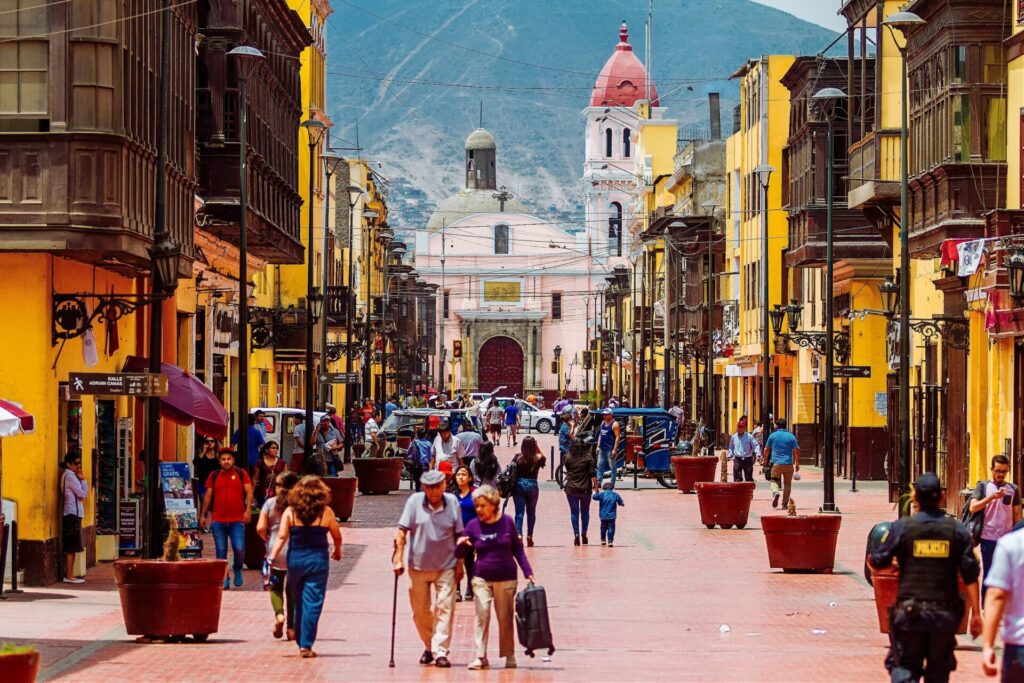
The heart of Lima’s story lives in the Historic Center, a UNESCO World Heritage Site where the city’s colonial identity remains intact. Walking through this area feels like stepping into a carefully preserved echo of the Spanish empire. The streets around Plaza Mayor are lined with grand buildings, their pastel-colored walls and ornate wooden balconies leaning slightly inward, as if listening to centuries of conversation.
Plaza Mayor itself is more than a postcard-perfect square. It has been the stage for proclamations, executions, celebrations, and protests. From here, you can trace Lima’s transformation from colonial stronghold to republican capital simply by wandering outward. The Cathedral of Lima stands solemnly along one side, holding the remains of Pizarro and symbolizing the weight of conquest and faith that shaped the city.
A few streets away, the Monastery of San Francisco reveals another layer of Lima’s past. Beneath its yellow towers lies a network of catacombs, where bones are arranged in patterns both unsettling and strangely beautiful. Above ground, the monastery’s library and cloisters speak of intellectual life during colonial times, when Lima was one of the most important cities in the Americas.
Streets That Remember the Republic
As Peru gained independence in the 19th century, Lima’s streets began to shift in purpose and tone. The rigid colonial order softened, giving way to wider avenues and public spaces meant to reflect a new national identity. Walking along Jirón de la Unión, once Lima’s most fashionable street, you can still sense that transition. Old mansions now house shops and cafes, blending elegance with everyday life.
This street has always been a social artery, where politicians debated, writers gathered, and locals strolled simply to see and be seen. Today, it remains busy and chaotic, but that energy is part of its charm. The layers of history are visible in the architecture, where republican-era buildings stand beside colonial remnants and modern storefronts.
Nearby, Plaza San Martín marks another important moment in Lima’s evolution. Built in the early 20th century, it represents a city looking toward Europe for inspiration, with French-influenced architecture and a monumental statue honoring independence. Sitting here at dusk, watching locals chat and street vendors pass by, offers a glimpse into how public space continues to shape Lima’s social life.
Miraflores: Modern Streets with Ancient Roots
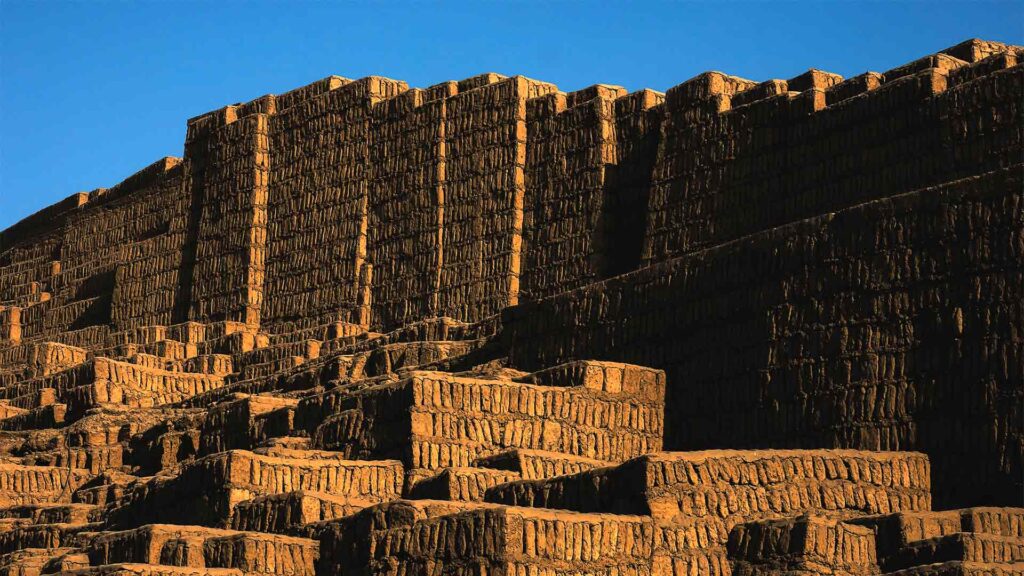
Moving south toward the coast, the streets of Miraflores tell a different story. This district is often associated with modern Lima, filled with hotels, restaurants, and shopping centers. Yet beneath its polished surface lies one of the city’s oldest histories. Walking through Miraflores, you’ll encounter Huaca Pucllana, an adobe pyramid rising unexpectedly among apartment buildings and traffic.
This pre-Inca ceremonial site dates back over a thousand years and serves as a powerful reminder that Lima’s story did not begin with colonialism. The contrast between the ancient structure and the surrounding city is striking, making it one of the most compelling places to understand Lima’s deep timeline. The streets around the huaca blend daily routines with archaeological significance, creating a unique sense of continuity.
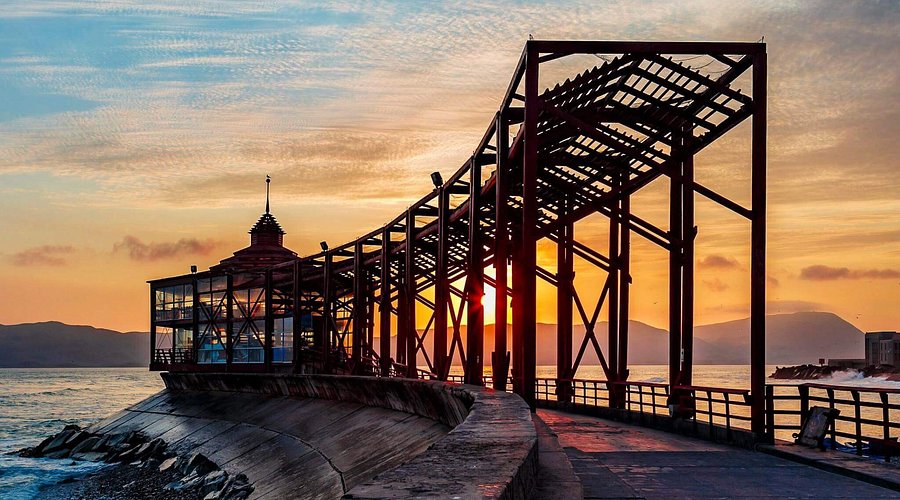
Along the Malecón, Miraflores’ coastal walkway, history gives way to movement and light. These paths trace the cliffs overlooking the Pacific Ocean, offering views that have inspired poets, artists, and travelers for generations. While the Malecón feels thoroughly modern, it connects to Lima’s long relationship with the sea, a lifeline for trade, migration, and culture.
Barranco: Art, Rebellion, and Romance
If Lima has a soul that wears its heart openly, it lives in Barranco. Walking through this neighborhood feels like reading a love letter written across time. Once a seaside resort for Lima’s elite, Barranco evolved into a bohemian enclave that attracted artists, musicians, and political thinkers.
Its narrow streets are lined with colorful houses, murals, and old mansions that have been repurposed into galleries and cafes. The Puente de los Suspiros, or Bridge of Sighs, is more than a romantic landmark. It symbolizes Barranco’s reputation as a place where emotion, creativity, and nostalgia intersect. Locals still share stories of poets who walked these streets late at night, finding inspiration in the ocean air.
Barranco’s history is also one of quiet resistance. During periods of political upheaval, its cafes and homes served as meeting points for intellectuals and activists. Today, that rebellious spirit lives on in street art and music venues, making every walk through Barranco feel alive with possibility.
Downtown Markets and Everyday Lima
Beyond the famous landmarks, Lima’s history is deeply embedded in its everyday streets. Neighborhood markets, corner shops, and bus routes reveal how the city functions on a human scale. Walking through areas like La Victoria or parts of Cercado de Lima offers a more grounded perspective, where history is less curated but more honest.
Markets such as Mercado Central reflect Lima’s role as a crossroads of cultures. Chinese-Peruvian influences, indigenous traditions, and Spanish legacies all meet here through food, language, and commerce. These streets may not appear in glossy travel brochures, but they tell the story of migration, resilience, and adaptation that defines modern Lima.
Callao: The Port That Shaped the City
No exploration of Lima’s streets is complete without venturing into Callao, the port district that has shaped the city’s destiny. Walking through Callao’s historic areas reveals a rougher, more industrial past tied to trade, piracy, and defense. The Real Felipe Fortress stands as a reminder of Lima’s strategic importance during colonial times, built to protect the city from invaders arriving by sea.
In recent years, parts of Callao have undergone revitalization, blending street art with historic architecture. Walking tours here highlight how the port has evolved from a colonial stronghold into a cultural space reclaiming its identity. The streets feel raw and honest, offering insight into Lima’s working-class roots and ongoing transformation.
Lima Today: A City Still Writing Its Story
Modern Lima is not a city that has settled into a single narrative. Its streets continue to change, shaped by migration from the Andes, economic growth, and cultural reinvention. Walking through districts like Surquillo or Jesús María, you see a Lima that is practical and lived-in, where history isn’t preserved behind glass but carried forward through routine.
Street vendors selling anticuchos at night, families gathering in small plazas, and artists painting murals on aging walls all contribute to the city’s evolving story. The past is never far away, but it doesn’t dominate. Instead, it coexists, allowing Lima to feel both ancient and immediate.
Why Walking Lima Matters
To truly understand Lima, you must walk it. Its streets are not just pathways but archives, holding memories of conquest, independence, creativity, and survival. Each neighborhood offers a different lens through which to view the city, from colonial grandeur to pre-Columbian roots and modern expression.
Walking Lima teaches patience. It asks you to slow down, look up at balconies, notice worn stone steps, listen to conversations drifting from open windows. In doing so, the city reveals itself not as a chaotic capital but as a living history book, one street at a time.
By exploring Lima through its streets, travelers gain more than sightseeing experiences. They gain context, empathy, and a deeper appreciation for a city that refuses to be defined by a single era. Lima’s past is everywhere, but it’s the present, unfolding with every step, that makes the journey unforgettable.