
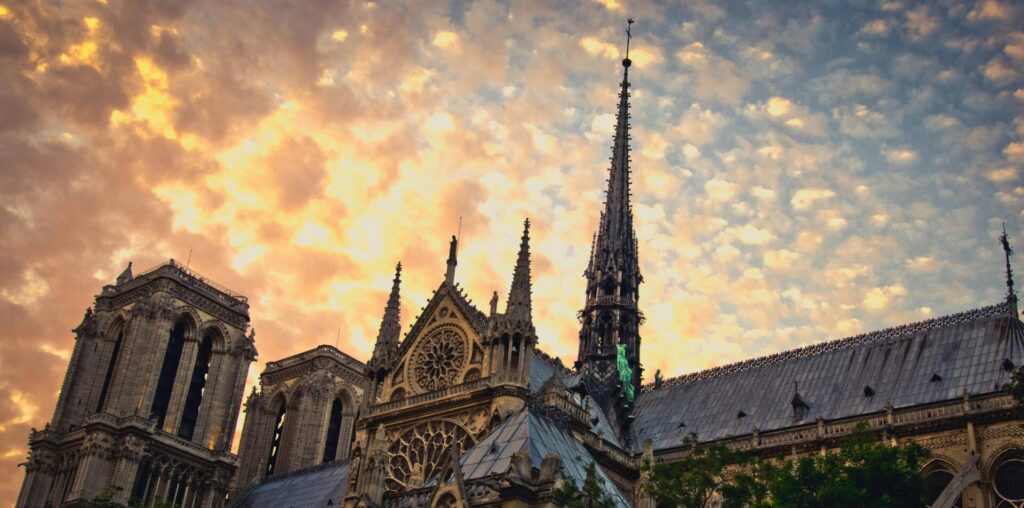
France is often celebrated for its grand monuments, world-class museums, and iconic cities like Paris and Lyon. Yet, there is a lesser-discussed magic that suffuses the country’s ordinary spaces—its small villages, local cafés, regional train stations, market streets, and even quiet residential neighborhoods. These places, which may seem mundane at first glance, carry a distinct sense of cultural resonance, aesthetic attention, and historical depth that makes them feel meaningful in a way few countries can replicate. Understanding why this is so requires examining the interplay of history, architecture, social life, and the French approach to everyday beauty.
Historical Layers That Enrich Ordinary Spaces
One reason ordinary French places feel so meaningful is that history saturates even the most commonplace streets. Unlike many modern cities where history is concentrated in a few preserved sites, French towns integrate centuries of architectural and cultural evolution into everyday life. Even a simple village square may have been the site of medieval markets, wartime gatherings, or revolutionary demonstrations. The buildings surrounding it—often constructed over successive generations—tell layered stories of changing tastes, economic conditions, and societal priorities. This visible layering of history creates a quiet narrative richness that visitors and residents sense intuitively. Walking down a narrow street in Provence or Brittany, one might notice Gothic church spires peeking over 18th-century townhouses, wrought iron balconies adorned with flowering plants, and cobblestones worn by countless footsteps. Each element signals continuity and a connection to the past.
Moreover, France’s meticulous approach to preserving historical architecture ensures that ordinary places maintain this connection over centuries. Local regulations often protect facades, street layouts, and building heights, fostering a continuity rarely seen elsewhere. Even modern renovations are designed to harmonize with historical contexts rather than overwrite them. This attention to continuity means that a seemingly average street in a provincial town carries the weight of generations, inviting reflection and emotional engagement. Ordinary spaces in France are not stripped of memory; instead, they are carefully curated, creating a sense of enduring significance that amplifies their meaning in daily life.This careful balance between preservation and everyday use is much like winter apparel that blends timeless design with practical warmth, allowing people to move comfortably through the present while remaining connected to enduring traditions.
Finally, historical events are not only memorialized in grand monuments but often subtly woven into local culture and landscape. Plaques, fountains, corner statues, and even patterns in cobblestones remind passersby of regional heroes, local legends, or historical moments. In this way, history is democratized, reaching beyond museums and tourist attractions to touch the lives of anyone navigating everyday spaces. The depth of this historical resonance fosters an unspoken sense of respect and continuity, allowing ordinary places to feel meaningful without demanding constant attention or explanation.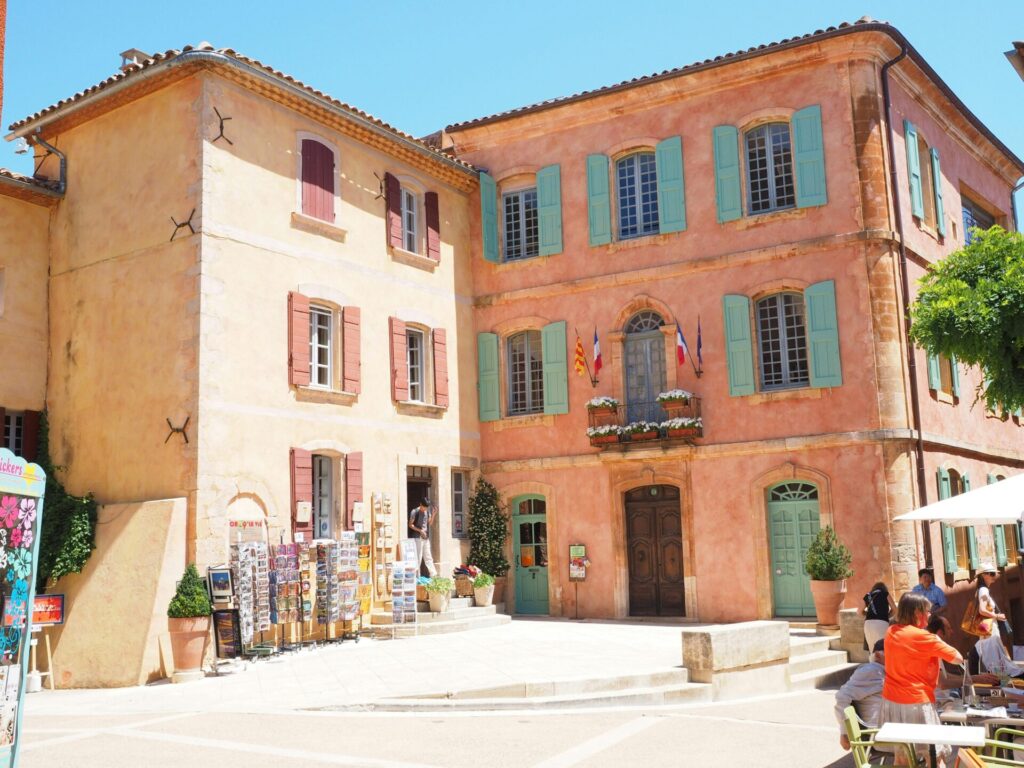
The Aesthetic Philosophy of Everyday Life
Another factor that makes ordinary French places feel significant is the country’s aesthetic philosophy, which treats beauty as an integral part of daily existence rather than something confined to galleries or grand projects. From the careful arrangement of flowers outside a bakery to the intricate stonework on a village well, ordinary objects and spaces are imbued with deliberate artistry. This attention to detail reflects the broader French concept of joie de vivre, in which beauty, taste, and refinement permeate life in subtle, understated ways. Even minor design choices communicate care and craftsmanship, making ordinary experiences visually and emotionally resonant.
Architecture plays a central role in this aesthetic approach. Traditional French houses, town halls, and schools are often modest in scale but feature distinctive elements—rooflines, shutters, window frames, and stone textures—that reflect regional identities. Colors are carefully chosen to harmonize with the surrounding landscape, and streetscapes are often organized around proportions and perspectives that feel intuitively pleasing. This consistency fosters a sense of visual coherence and emotional comfort, encouraging residents to value their surroundings in ways that go beyond mere function.
Public spaces in France also demonstrate a philosophy of accessible elegance. Small parks, fountains, benches, and even street signage are thoughtfully designed. Courtyards, alleys, and plazas encourage social interaction while integrating seamlessly with the visual environment. These choices reflect a broader cultural understanding that everyday spaces are not merely practical but repositories of beauty and meaning. By investing in aesthetics at every scale—from the design of a café terrace to the layout of a village square—ordinary places gain an understated but unmistakable gravitas that contributes to their significance in daily life.
Social Life as a Source of Meaning
Beyond history and aesthetics, the social dimension of ordinary French places contributes heavily to their sense of meaning. Cafés, bakeries, parks, and market squares serve as hubs of daily life where people gather, interact, and create shared experiences. Unlike in some countries where social interactions are often confined to private or commercial spaces, French public life thrives in what might otherwise be considered ordinary areas. The act of gathering imbues these spaces with vitality and emotional resonance, transforming them into places of connection and community.
Markets exemplify this social dimension. Local markets, often held on the same streets for decades or centuries, provide more than groceries—they are cultural rituals. Vendors and patrons know each other, traditions are upheld, and the rhythms of daily life are reinforced. Even casual interactions, such as exchanging greetings at a neighborhood boulangerie, contribute to a sense of continuity and belonging. This human dimension ensures that ordinary places are not merely physical locations but living environments animated by relationships, routines, and shared experiences.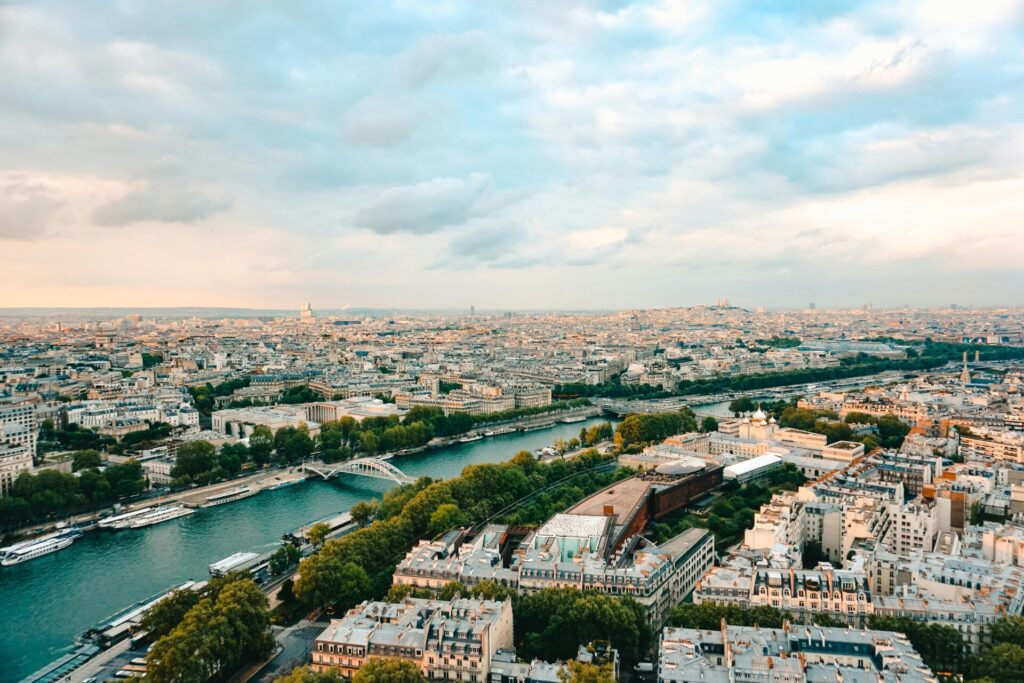
Furthermore, the French emphasis on public sociability encourages a type of mindful engagement with surroundings. People are expected to linger, notice details, and participate in community life. Sidewalk cafés and park benches are designed for observation and conversation, fostering moments of reflection or connection that elevate everyday spaces. The meaning of these places is thus co-created through human presence, reinforcing the idea that significance is not inherent in grandeur but cultivated through participation, care, and social interaction. In this sense, ordinary French spaces serve as both stages and participants in the ongoing drama of communal life.
Regional Identity and Local Character
France is a country deeply defined by regional diversity, and ordinary places often carry the mark of local identity in ways that make them deeply resonant. From the half-timbered houses of Alsace to the sun-warmed stone villages of Provence, the built environment reflects geography, climate, and cultural heritage. Streets, marketplaces, and everyday public spaces become living expressions of regional narratives, embedding meaning in seemingly simple surroundings.
Local cuisine, festivals, and artisanal practices further reinforce this connection. A small bakery may offer bread baked according to centuries-old recipes, a market square may host seasonal celebrations, and even street signs or decorative motifs may reflect regional symbolism. These elements collectively communicate a sense of rootedness and belonging, ensuring that ordinary places are not generic but profoundly tied to local stories. Visitors and residents alike experience these spaces as meaningful precisely because they carry a distinct personality and historical memory. In this way, regional identity transforms the mundane into the emblematic, giving everyday life a richness that transcends utility or aesthetics alone.
Even within urban settings, neighborhoods preserve subtle traces of local character. Parisian arrondissements, for instance, each have a unique architectural style, layout, and rhythm of life that differentiates them from one another. Ordinary streets, cafés, and small parks convey a strong sense of place, reflecting both historical choices and contemporary usage. This interplay of tradition, geography, and human activity ensures that even ordinary urban spaces feel deeply rooted, evocative, and meaningful. The significance of these places lies in their ability to express a local story while inviting individual and collective engagement.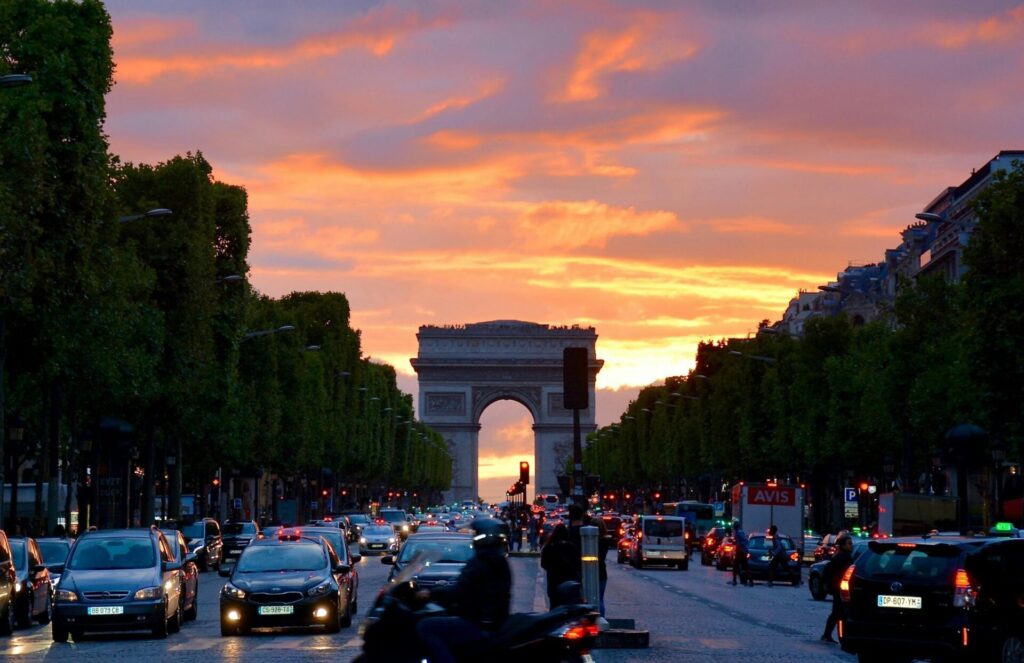
Conclusion: The Subtle Power of the Ordinary
The meaningfulness of France’s ordinary places emerges from the interweaving of historical continuity, aesthetic care, social interaction, regional identity, and the poetics of everyday life. Ordinary streets, parks, squares, and cafés are not incidental; they are carefully maintained, socially activated, and culturally resonant. They demonstrate that significance does not require grandeur or spectacle, but can thrive in spaces designed for daily living, attentive observation, and human connection.
By preserving historical layers, emphasizing beauty in small details, encouraging social engagement, expressing regional distinctiveness, and embedding time-honored rituals, France transforms ordinary places into profound carriers of meaning. Visitors and residents alike are invited to perceive depth in what might appear mundane, discovering stories, aesthetics, and human warmth in every corner. In a world often obsessed with novelty and monumentalism, France reminds us that the ordinary—when treated with care, attention, and cultural consciousness—can be remarkably meaningful. It is in these quiet, everyday spaces that the essence of French life, history, and philosophy comes alive, making even the most unassuming streets and squares worthy of admiration and reflection.